Dollar-Cost Averaging Into Crypto: Does It Work?
Dollar-cost averaging into volatile crypto assets smooths out the timing risk of a single large purchase and removes the emotional decision of when to buy. Here is how DCA performs in crypto specifically, and why it is particularly well-suited to an asset class with extreme volatility.
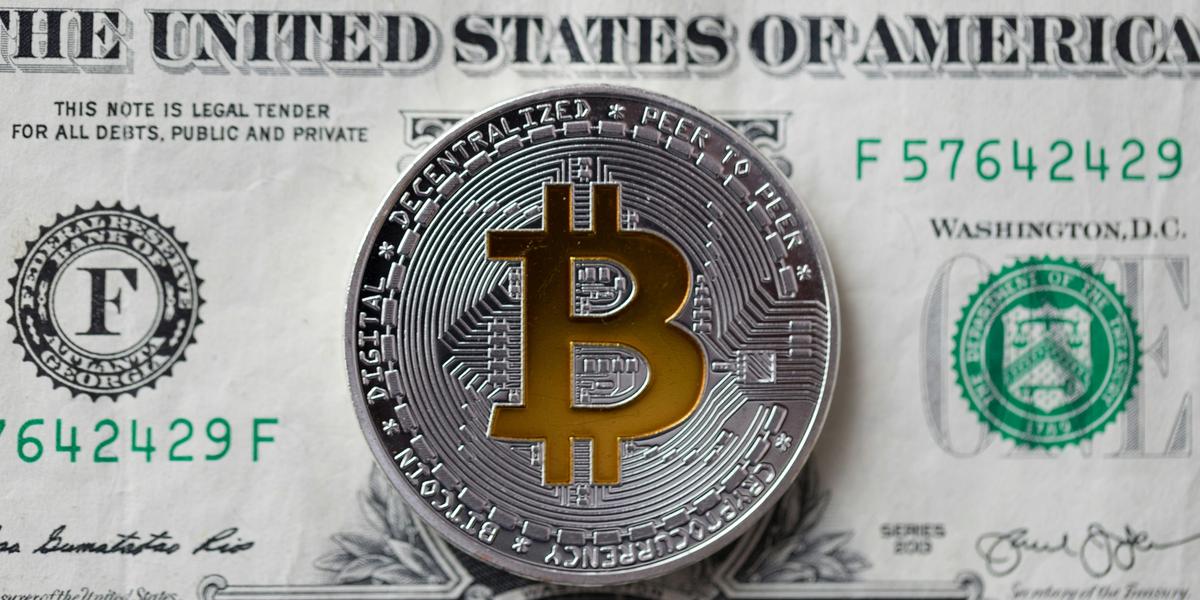
Dollar-cost averaging, the practice of investing a fixed dollar amount at regular intervals regardless of price, was developed for stock market investing but has been enthusiastically adopted by cryptocurrency investors. The premise is the same: by investing consistently over time rather than trying to time the market, you avoid the emotional paralysis of waiting for the perfect entry point and automatically buy more units when prices are low and fewer when they are high.
For cryptocurrency specifically, which has experienced multiple 70 to 90 percent drawdowns and then recovered to new all-time highs in multiple cycles, dollar-cost averaging has an intuitive appeal. Rather than trying to identify market bottoms, which has proven essentially impossible for most investors, a DCA investor simply buys consistently through the volatility and accumulates position over time.
This guide examines how DCA has historically performed in Bitcoin and Ethereum specifically, when it is most valuable, its limitations, and how to implement it practically.
How DCA Performs in Crypto Historically
Bitcoin's dramatic multi-cycle history provides a compelling case study for DCA. An investor who began buying $100 of Bitcoin monthly starting in January 2018 (near the previous cycle's all-time high) would have bought through the 2018 to 2019 bear market that saw Bitcoin fall from $20,000 to $3,000, and eventually seen significant returns as Bitcoin reached new highs above $60,000 in 2021. The DCA approach avoided the psychological devastation of a single large purchase at the peak.
The mathematical benefit of DCA in Bitcoin is specifically tied to the asset's extreme volatility and long-term upward trend. The combination means that buying consistently through large drawdowns captures a significant number of units at very low prices, which then appreciate substantially in the subsequent bull market. This works as long as the asset ultimately recovers and trends upward over time, which has been true for Bitcoin across all three major market cycles but cannot be guaranteed to continue.
The comparison to lump-sum investing is the same for crypto as for stocks: if the asset trends upward over time, lump-sum investing at any given starting point tends to outperform DCA over long periods because more capital is deployed earlier at the starting price. DCA's advantage is primarily behavioral: it is easier to maintain than lump-sum investing during volatile markets, and avoiding panic-selling during drawdowns is more valuable than any mathematical optimization.
| Scenario | $100/month BTC from Jan 2018 to Jan 2024 | Total Invested | Portfolio Value (approx, Jan 2024) |
|---|---|---|---|
| DCA: $100/month for 6 years | 72 monthly purchases over full cycle | $7,200 | ~$20,000+ (depends on exact prices) |
| Lump sum at Jan 2018 peak | $7,200 at $19,500/BTC | $7,200 | $20,000+ (similar; timing effect varies |
| Lump sum at March 2020 bottom | $7,200 at ~$5,000/BTC | $7,200 | $90,000+ (exceptional timing) |
Why DCA Is Particularly Well-Suited to Crypto
Crypto's extreme volatility, routinely experiencing 30 to 50 percent corrections within bull markets and 70 to 90 percent bear markets between cycles, makes timing the market psychologically and practically very difficult. The same volatility that makes single large purchases emotionally fraught makes DCA genuinely appealing because the process removes the timing decision entirely.
The regular intervals of DCA create a disciplined accumulation schedule that prevents the common investor mistake of waiting for further declines (and never buying) or panic-selling during drawdowns (locking in losses). For an asset as volatile as Bitcoin or Ethereum, these behavioral benefits are particularly significant because the emotional swings are more extreme than in traditional equity markets.
DCA also creates a lower average cost basis in volatile markets compared to a single purchase at any one point other than the exact bottom. Because crypto prices fluctuate so dramatically, the mathematical benefit of buying fewer units at high prices and more at low prices produces a cost basis below the average price over the accumulation period.
DCA Limitations in Crypto
DCA's core assumption is that the asset trends upward over time. For Bitcoin and Ethereum, this has been true over their histories, but the future is not guaranteed to replicate the past. If a cryptocurrency enters permanent decline after a peak, DCA extends the period of value destruction rather than providing benefit.
Many crypto assets other than Bitcoin and Ethereum have not recovered from previous peak prices. Investors who dollar-cost averaged into Terra/LUNA, FTX's FTT token, or hundreds of other crypto projects that collapsed or failed to recover from bear market lows received no benefit from DCA. The strategy is only a useful approach for assets with genuine long-term value propositions.
DCA does not protect against poor asset selection. If you regularly invest in a cryptocurrency that ultimately fails, DCA simply increases your exposure to a failing asset over time. The foundation of a DCA strategy must be high conviction in the specific asset's long-term value, not just a general crypto thesis.
How to Implement DCA in Crypto Practically
Most major cryptocurrency exchanges including Coinbase, Gemini, and Kraken offer recurring purchase features that automatically execute DCA on your specified schedule, weekly, biweekly, or monthly, without requiring manual action. Setting up a recurring purchase eliminates the friction of executing each buy manually and ensures the discipline is maintained through market downturns.
The frequency of purchases affects the fee cost of DCA. Some exchanges charge per-transaction fees that are proportionally higher on smaller transactions. Evaluating the total fee cost of weekly versus monthly purchases at your chosen amounts helps optimize the frequency to minimize costs while maintaining the behavioral benefits of regular investment.
Consider whether tax implications affect your DCA strategy. In the United States, each crypto purchase is a separate lot with its own cost basis and acquisition date. Frequent purchases create many small lots that complicate tax reporting. Using a crypto tax software tool like Koinly or TaxBit to track the cost basis of each purchase throughout the year is recommended for active DCA investors.
Final Thoughts
Dollar-cost averaging is a well-suited strategy for cryptocurrency investing specifically because of the extreme volatility that makes market timing essentially impossible for most investors. The behavioral benefits of removing timing decisions and maintaining purchasing discipline through dramatic drawdowns are particularly valuable in an asset class with 70 to 90 percent bear markets.
The strategy works best for assets with genuine long-term value propositions and track records of recovery from bear markets. Bitcoin and Ethereum have both demonstrated this characteristic across multiple cycles. DCA into lower-quality crypto assets that may not recover is simply a slower path to loss.
Set up a recurring purchase schedule, maintain it through market cycles, hold through volatility, and evaluate your thesis periodically rather than reacting to price movements.
Frequently Asked Questions
Clarion Editorial Team
Editorial Research Team
Clarion Editorial Team creates plain-English educational content covering legal, insurance and finance topics for US and UK readers.
- Editorial Research
- Consumer Education
- Financial Literacy
Related Guides

Alternative Investments: Gold, Commodities, and Real Assets

Bitcoin vs Ethereum: Which Crypto Should You Buy?

Blockchain Technology Explained: Beyond Cryptocurrency
