How to Buy Cryptocurrency Safely as a Beginner
Buying your first cryptocurrency is straightforward when you use a regulated exchange, understand the fee structure, and follow the basic security practices that protect against the most common beginner mistakes.
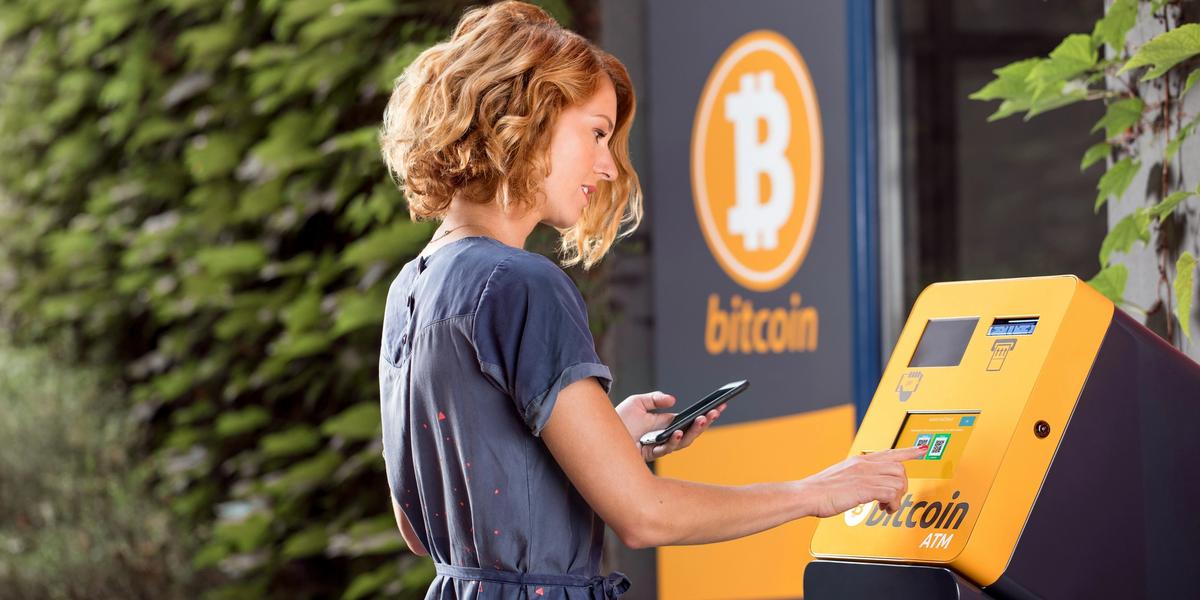
Buying cryptocurrency for the first time involves navigating a landscape of exchanges, wallets, fees, and security considerations that can feel overwhelming. The good news is that the process has become substantially more accessible over the past few years, and for a beginner who wants straightforward exposure to Bitcoin or Ethereum, the path is now as simple as opening a brokerage account.
The rise of spot Bitcoin and Ethereum ETFs available through standard brokerage accounts has created the most accessible and most regulated entry point for beginners. For those who want to hold cryptocurrency directly rather than through an ETF, regulated US exchanges have improved their user experience substantially and provide a familiar financial account interface.
This guide walks through the complete process of buying cryptocurrency safely as a first-time buyer: choosing where to buy, setting up the account, executing a purchase, understanding fees, and establishing basic security practices.
Option 1: Bitcoin and Ethereum ETFs Through a Standard Brokerage
The simplest and most regulated way to get cryptocurrency exposure is through spot ETFs available in a standard brokerage account. Since January 2024, BlackRock's iShares Bitcoin Trust (IBIT), Fidelity's Wise Origin Bitcoin Fund (FBTC), and several other spot Bitcoin ETFs trade on US stock exchanges. Spot Ethereum ETFs have also received approval.
Buying a Bitcoin ETF in your Fidelity, Schwab, or TD Ameritrade account is identical to buying any other stock or ETF: search by ticker, review the price, enter the number of shares or dollar amount, and submit the order. You do not need a cryptocurrency wallet, a crypto exchange account, or any knowledge of blockchain technology beyond what you are investing in.
The primary trade-off of ETF exposure versus direct crypto ownership is that you do not hold actual Bitcoin or Ethereum: you hold shares of a fund that holds these assets. This means you cannot use the crypto in DeFi applications, cannot transfer it to a wallet, and cannot easily convert it to stablecoins. For investors who simply want price exposure as an investment, ETFs provide that exposure with the full regulatory protection of the US securities framework.
| Approach | Regulatory Protection | Fees | Custody Responsibility | Best For |
|---|---|---|---|---|
| Spot BTC/ETH ETF | Full SEC/FINRA regulation | 0.12-0.25% annual expense ratio | None; fund custodies | Beginners; IRA accounts; simplicity |
| Coinbase | SEC regulated exchange; public company | 0.5-1.5% per transaction | User holds assets | Active crypto users; direct ownership |
| Kraken | Regulated; strong security reputation | 0.26-0.36% maker/taker | User holds assets | Experienced users; wider asset selection |
| Gemini | NY DFS regulated; strict compliance | 0.5-1.0% per transaction | User holds assets | Security-focused; NY compliance |
Option 2: Buying Directly on a Regulated Exchange
For investors who want to hold actual cryptocurrency rather than an ETF, opening an account on a regulated US exchange is the appropriate next step. Coinbase is the most commonly recommended starting point for US beginners because of its public company status, SEC registration, extensive regulatory compliance, and user-friendly interface.
Account opening requires the same identity verification as a bank account: legal name, address, date of birth, and government-issued photo ID. Most accounts are approved within minutes to a few hours. Once verified, you link a bank account or debit card to fund purchases.
Coinbase's main interface, while user-friendly, charges retail fees of 0.5 to 1.5 percent per transaction that are relatively high compared to professional trading fees. The Coinbase Advanced Trade interface (previously Coinbase Pro) offers lower maker/taker fees starting at 0.00 to 0.40 percent for smaller account sizes. Using Advanced Trade for the actual purchase after setting up the account through the main interface saves meaningful fees.
Security Basics Every First-Time Crypto Buyer Should Know
Enable two-factor authentication on your exchange account immediately after creating it. SMS-based 2FA is better than nothing but can be vulnerable to SIM-swapping attacks. Authenticator apps like Google Authenticator or Authy provide stronger protection. Hardware security keys like YubiKey offer the strongest available 2FA protection.
Use a unique, strong password for your exchange account that you do not use anywhere else. A password manager like 1Password or Bitwarden generates and stores unique strong passwords for all your accounts, eliminating the password reuse risk that compromises many accounts.
Be aware of phishing sites that look identical to legitimate exchanges but are designed to capture your login credentials. Always access your exchange through a bookmarked URL or directly from the official app, never through links in emails or social media messages regardless of how legitimate they appear.
Making Your First Purchase
Start with an amount you can afford to lose entirely. The volatility of cryptocurrency means that any purchase can be down 50 percent or more in a short period. Your first crypto purchase should be sized to be educational and exploratory rather than a significant financial commitment.
Market orders execute immediately at the current price. Limit orders allow you to specify the maximum price you are willing to pay and execute only when the market reaches your price. For a small initial purchase, a market order is the simplest approach. For larger purchases, limit orders allow more control over the execution price.
After purchasing, you will receive a confirmation showing the number of units purchased, the price per unit, the fee paid, and your total cost basis. Save this information for tax purposes; every crypto purchase is a separate tax lot that must be tracked to calculate capital gains when you eventually sell.
Final Thoughts
Buying cryptocurrency has never been more accessible, with spot ETFs at standard brokerages providing the simplest and most regulated entry point, and major exchanges like Coinbase offering straightforward direct purchase experiences. The technical complexity that characterized early crypto adoption has been substantially reduced.
The principles for a safe first purchase are consistent: use regulated platforms, start small with amounts you can afford to lose, enable strong security on your account, and keep records for tax purposes. Do not let fear of the process prevent you from starting if you have genuine interest; the process is simpler than it appears.
Start small, learn, and size up only when you have both the knowledge and the conviction to hold through the volatility that crypto reliably produces.
Frequently Asked Questions
Clarion Editorial Team
Editorial Research Team
Clarion Editorial Team creates plain-English educational content covering legal, insurance and finance topics for US and UK readers.
- Editorial Research
- Consumer Education
- Financial Literacy
Related Guides

Alternative Investments: Gold, Commodities, and Real Assets

Bitcoin vs Ethereum: Which Crypto Should You Buy?

Blockchain Technology Explained: Beyond Cryptocurrency
