Stablecoins Explained: Are They Actually Stable?
Stablecoins are designed to maintain a fixed value relative to the dollar, but they do this through very different mechanisms with very different risk profiles. Understanding the differences between fiat-backed, algorithmic, and crypto-backed stablecoins separates the genuinely stable from the dangerously unstable.
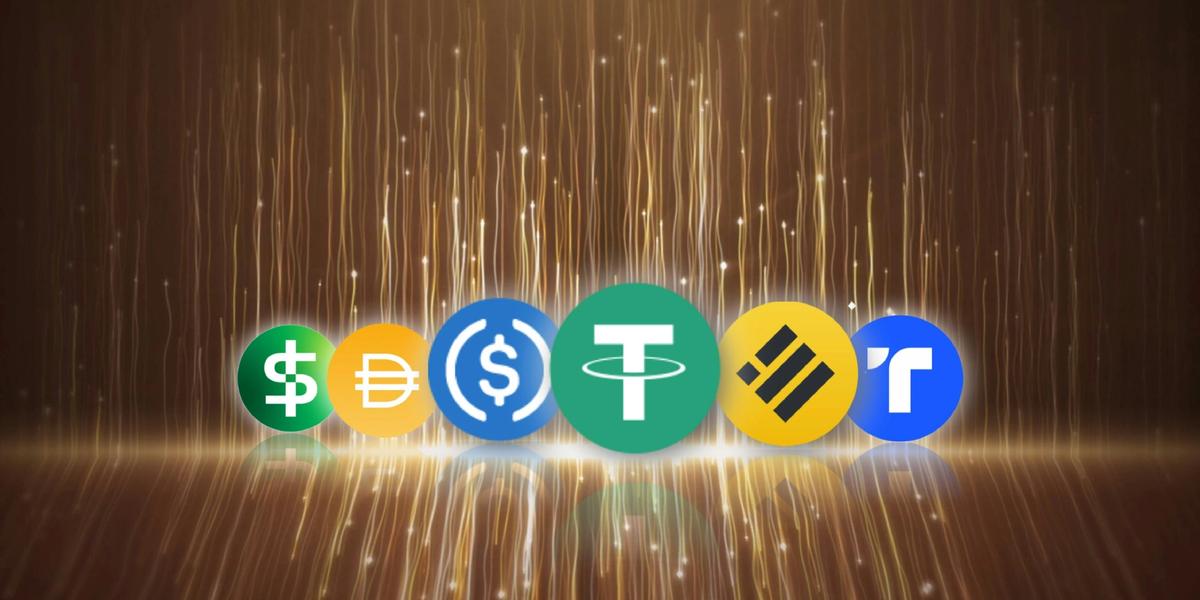
Stablecoins are cryptocurrencies designed to maintain a stable value, typically pegged to the US dollar at a 1:1 ratio. The concept fills a genuine need in the cryptocurrency ecosystem: a way to maintain value and facilitate transactions without exposure to the extreme volatility of Bitcoin, Ethereum, and other cryptocurrencies. Traders use stablecoins to hold value between positions; DeFi users use them to earn yield; cross-border remittances use them to transfer value cheaply.
But not all stablecoins are created equal, and the word stable in stablecoin is a goal, not a guarantee. The spectacular collapse of TerraUSD (UST) in May 2022, which lost its peg within days and fell from $1 to nearly zero, destroyed approximately $45 billion in value and demonstrated that poorly designed stablecoins carry catastrophic risk.
This guide explains how different stablecoin types work, what determines their stability, the specific risks each carries, and how to evaluate the safety of a stablecoin before trusting significant value to it.
Fiat-Backed Stablecoins: The Most Stable Category
Fiat-backed stablecoins are backed by actual US dollars (or other fiat currencies) held in reserve. USDC (USD Coin) issued by Circle and USDT (Tether) issued by Tether Limited are the two largest. For every USDC or USDT in circulation, the issuer maintains one dollar in reserves. When you redeem USDC for dollars, Circle uses its reserve to pay you.
The stability of fiat-backed stablecoins is as strong as the issuer's willingness and ability to maintain adequate reserves. USDC is widely considered the most transparent, with regular third-party attestations of its reserves from major accounting firms. USDT has faced persistent concerns about reserve composition and transparency, though it has maintained its peg through multiple market crises.
A fiat-backed stablecoin holds its dollar value until and unless: the issuer fails to maintain adequate reserves, regulatory action freezes the issuer's operations, or the banking partners holding the reserves fail. The brief USDC de-peg in March 2023, when USDC briefly fell to $0.87 following the collapse of Silicon Valley Bank (where Circle held a portion of its reserves), illustrates that even the most transparent stablecoins carry some counterparty risk.
| Stablecoin Type | Backing | Examples | Stability Rating | Risk |
|---|---|---|---|---|
| Fiat-backed | Dollar in reserve | USDC, USDT, BUSD | High | Counterparty/issuer risk; regulatory |
| Crypto-backed (overcollateralized) | Crypto collateral | DAI, LUSD | Moderate | Collateral value decline; smart contract |
| Algorithmic (pure) | Algorithm only; no backing | Terra UST (collapsed) | Very Low (failed) | Death spiral; complete collapse risk |
| Hybrid (algorithmic + collateral) | Partial collateral + algorithm | FRAX | Moderate | Complex; partial algorithmic risk |
| CBDC (government issued) | Government | Digital yuan, others emerging | Very High | Government control; privacy |
Crypto-Backed Stablecoins: Overcollateralization as Stability
Crypto-backed stablecoins maintain their peg through overcollateralization: more value in crypto collateral is locked than the value of stablecoins issued. DAI, issued by the MakerDAO protocol, requires depositing at least $150 of crypto collateral for every $100 of DAI issued. If collateral value falls below a minimum ratio, the position is automatically liquidated to protect the peg.
The overcollateralization requirement is the safety mechanism, but it is not foolproof. A sufficiently rapid and large decline in collateral prices can outpace the liquidation mechanisms, creating bad debt in the protocol. During the March 2020 COVID crash, ETH prices fell so quickly that Maker's liquidation system could not process positions fast enough, resulting in MakerDAO auctions that sold collateral at zero DAI.
Crypto-backed stablecoins are more decentralized than fiat-backed ones because they do not depend on a central issuer maintaining reserves. However, they introduce complexity through their liquidation mechanisms, smart contract risk from the governance contracts managing the protocol, and the fundamental risk that collateral value declines faster than the safety mechanisms can respond.
Algorithmic Stablecoins: The Failed Experiment
Algorithmic stablecoins attempt to maintain a dollar peg through algorithmic mechanisms rather than backed reserves, typically through a sister token system where burning one token mints the other to restore the price balance. The Terra/Luna ecosystem was the largest and most prominent example.
TerraUSD (UST) maintained its peg through a mechanism where users could always exchange one UST for $1 worth of LUNA and vice versa. This created an arbitrage mechanism that theoretically kept UST near $1. The system worked as long as there was sufficient confidence and liquidity. When confidence broke in May 2022, the arbitrage mechanism created a death spiral: UST holders rushed to redeem for LUNA, which increased LUNA supply, reduced LUNA price, required more LUNA to buy back UST, further reducing LUNA price, until both collapsed to near zero.
The TerraUSD collapse was not an unprecedented failure of implementation; it was a failure of the fundamental design. Algorithmic stablecoins that rely purely on reflexive mechanisms without genuine collateral backing are inherently fragile to confidence crises, as demonstrated multiple times before Terra/Luna and confirmed definitively by it.
How to Evaluate Stablecoin Safety
Reserve transparency is the most important factor for fiat-backed stablecoins. USDC publishes regular third-party attestations of its dollar reserves through major accounting firms. USDT's reserve composition has been less transparent historically. Prefer stablecoins with regular, third-party verified reserve attestations over those with unverified claims.
The issuer's regulatory compliance matters. Circle (USDC) is registered as a money transmitter, complies with US banking regulations, and has proactively engaged with regulators. This compliance provides some regulatory oversight that reduces the risk of sudden non-compliance enforcement actions.
For any stablecoin, the operational history matters. Has it maintained its peg through previous market stresses? USDC, USDT, and DAI have all maintained pegs through multiple major market downturns (with the temporary USDC de-peg in 2023 being the notable exception). Newer stablecoins with limited track records should be approached with greater caution regardless of their architectural claims.
Final Thoughts
Stablecoins serve a genuine purpose in the cryptocurrency ecosystem as a way to maintain dollar-denominated value without relying on traditional banking infrastructure. The degree to which any specific stablecoin is actually stable depends heavily on its design: fiat-backed stablecoins with transparent reserves are the most stable; algorithmic stablecoins without genuine collateral backing are inherently fragile.
For users who need stablecoin exposure, USDC from Circle is the most transparent and regulated option available. USDT has a long track record despite transparency concerns. DAI and other crypto-backed stablecoins offer decentralization at the cost of complexity and collateral risk.
Avoid algorithmic stablecoins without overcollateralization. The design failure that destroyed Terra/LUNA is not unique to that project; it is inherent to the category.
Frequently Asked Questions
Clarion Editorial Team
Editorial Research Team
Clarion Editorial Team creates plain-English educational content covering legal, insurance and finance topics for US and UK readers.
- Editorial Research
- Consumer Education
- Financial Literacy
Related Guides

Alternative Investments: Gold, Commodities, and Real Assets

Bitcoin vs Ethereum: Which Crypto Should You Buy?

Blockchain Technology Explained: Beyond Cryptocurrency
