I Bonds: Are Government Savings Bonds Worth Buying?
I Bonds are inflation-indexed savings bonds from the US Treasury that guarantee your purchasing power is protected regardless of how high inflation goes. Understanding their structure, limits, and when they make sense helps you decide if they belong in your savings strategy.
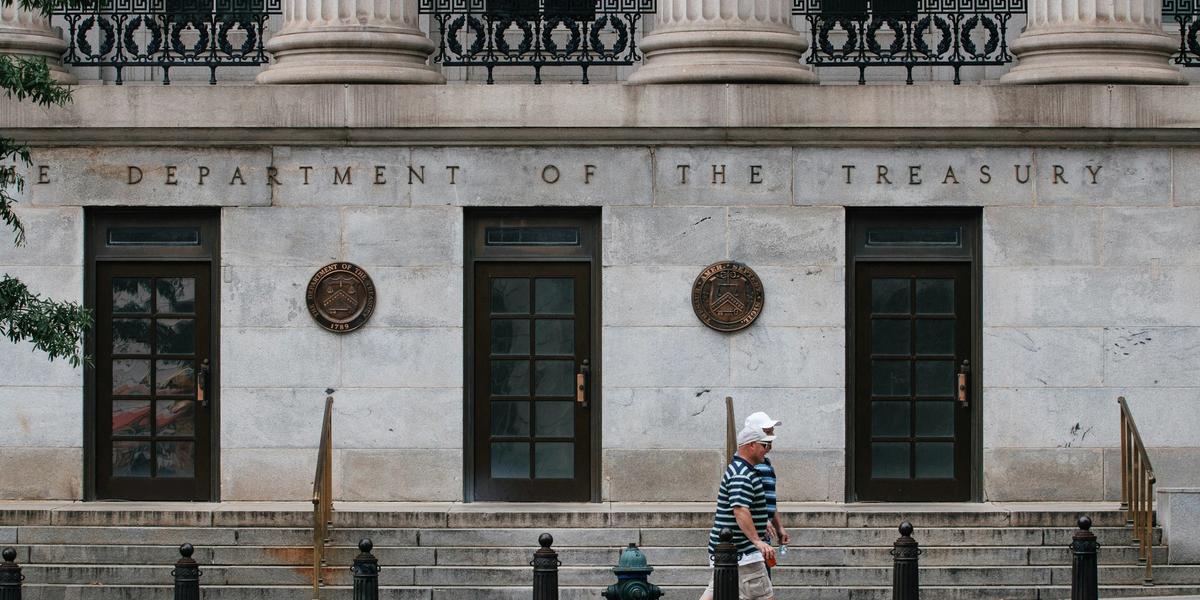
Series I Savings Bonds, commonly called I Bonds, became a widely discussed savings vehicle during the high inflation periods of 2021 and 2022 when their interest rate, tied to the Consumer Price Index, briefly exceeded 9 percent while savings account rates were near zero. For many savers, this was the first time they had heard of this Treasury program, despite its having existed since 1998.
I Bonds are issued by the US government and their interest rate adjusts every six months based on inflation. This structure means they protect the purchasing power of savings regardless of how high inflation rises, making them a unique complement to traditional savings vehicles. They are also backed by the full faith and credit of the United States, making them among the safest possible savings instruments.
This guide explains exactly how I Bonds work, what the current rate structure looks like, what the important limitations are, and how to evaluate whether they belong in your personal savings strategy.
How I Bonds Work
I Bonds earn interest based on a combination of two rates: a fixed rate that is set when the bond is purchased and does not change for the life of the bond, and an inflation rate that adjusts every May and November based on the six-month change in the CPI-U. The combined composite rate is calculated as the fixed rate plus twice the inflation rate, though it can never fall below zero.
The interest earned on I Bonds compounds semiannually and accrues to the bond rather than being paid out. You receive the accrued interest when you cash the bond. I Bonds are sold at face value; a $1,000 I Bond costs exactly $1,000 and grows from there based on the composite interest rate.
I Bonds must be held for at least one year before redemption. Bonds redeemed before five years of holding lose the three most recent months of interest as a penalty. After five years, I Bonds can be redeemed without any penalty. Bonds continue earning interest for up to 30 years.
| I Bond Feature | Detail |
|---|---|
| Minimum purchase | $25 (electronic) |
| Maximum purchase per year | $10,000 electronic + $5,000 paper (via tax refund) |
| Purchase platform | TreasuryDirect.gov |
| Interest rate structure | Fixed rate + semiannual inflation adjustment |
| Minimum holding period | 1 year |
| Early redemption penalty | 3 months of interest (if held less than 5 years) |
| Tax treatment | Federal taxable; state and local tax-exempt |
| Education tax exclusion | Available for qualifying education expenses |
When I Bonds Are Most Valuable
I Bonds provide their most distinctive value when inflation is high relative to available savings account rates. During the 2021 to 2022 inflation surge, I Bond composite rates reached 9.62 percent while savings accounts were paying under 1 percent. The gap between the two was enormous and represented a genuine opportunity for savers who prioritized inflation protection.
In normal inflation environments where savings account rates closely track or exceed inflation, the advantage of I Bonds over high-yield savings accounts is more modest. The I Bond's guarantee against inflation erosion is still valuable, but the liquidity advantage of savings accounts that can be accessed anytime (versus the one-year lock-up of I Bonds) deserves weight in the comparison.
I Bonds are particularly well-suited for the emergency fund of people who are confident they will not need the money for at least one year. The tax deferral on interest (you pay federal taxes only when you redeem, which can be decades later) combined with inflation protection and government safety makes I Bonds an excellent emergency fund supplement for the portion that can tolerate the one-year lockup.
The Purchase Limits and How to Maximize Them
The $10,000 annual purchase limit per person is the most significant constraint on I Bond investing. A married couple can purchase $20,000 per year in I Bonds. A family with multiple adult members can further increase their exposure, as can purchasing through a trust in some cases.
The additional $5,000 in paper I Bonds available through tax refunds provides a workaround for people who want to exceed the $10,000 electronic limit. This requires directing a portion of your tax refund to I Bond purchases by filing Form 8888 with your return. The paper bonds can be converted to electronic form later through TreasuryDirect.
Gift purchases offer another strategy to exceed the annual limit for a specific recipient. You can purchase I Bonds as a gift for a spouse or family member and hold them in TreasuryDirect's gift box. These count against the recipient's annual limit in the year they are delivered, not the year purchased, potentially allowing multiple years' worth of bonds to be purchased in advance.
Tax Treatment and When to Redeem
I Bond interest is subject to federal income tax but is exempt from state and local income taxes. The federal tax is owed only when the bond is redeemed; interest can accrue tax-deferred for up to 30 years if the bond is not cashed. This tax deferral is similar in structure to a traditional IRA, with the interest accumulating tax-free and being taxed upon redemption.
For savers who will be in a lower tax bracket when they redeem (for example, in retirement), the tax deferral becomes more valuable because the ultimately taxable interest is taxed at a lower rate. For savers who expect higher future income, redeeming before the income increase takes effect may be more efficient.
The education tax exclusion allows I Bond interest to be completely tax-free at the federal level when used for qualified higher education expenses, subject to income limits. This can make I Bonds an alternative to 529 plans for education saving in some situations.
Final Thoughts
I Bonds are a unique and genuinely valuable savings tool when inflation is elevated and when their specific constraints, the $10,000 annual limit, the one-year lockup, and the TreasuryDirect purchase requirement, are acceptable for your situation. Their combination of inflation protection and government safety makes them an excellent complement to high-yield savings accounts for the conservative portion of a savings portfolio.
The most compelling use cases are emergency fund savings beyond the immediately accessible buffer, medium-term savings goals with at least a one-year timeline, and as a conservative inflation-protected allocation in a broader retirement savings strategy.
Buy up to the limit if you are interested. The purchase process through TreasuryDirect is straightforward, and the protection against inflation erosion is genuine and unique.
Frequently Asked Questions
Clarion Editorial Team
Editorial Research Team
Clarion Editorial Team creates plain-English educational content covering legal, insurance and finance topics for US and UK readers.
- Editorial Research
- Consumer Education
- Financial Literacy
Related Guides

401k vs IRA: Which Retirement Account Is Better?

529 College Savings Plans: A Complete Guide

Backdoor Roth IRA: How High Earners Can Access Roth Benefits
