Car Insurance After an Accident: What Happens to Your Rates
After an accident, your car insurance company will almost certainly reassess your risk profile, and your premium will likely increase at renewal. Understanding how much rates typically rise, how long the impact lasts, and what you can do to minimize the damage gives you a realistic picture of what comes next.
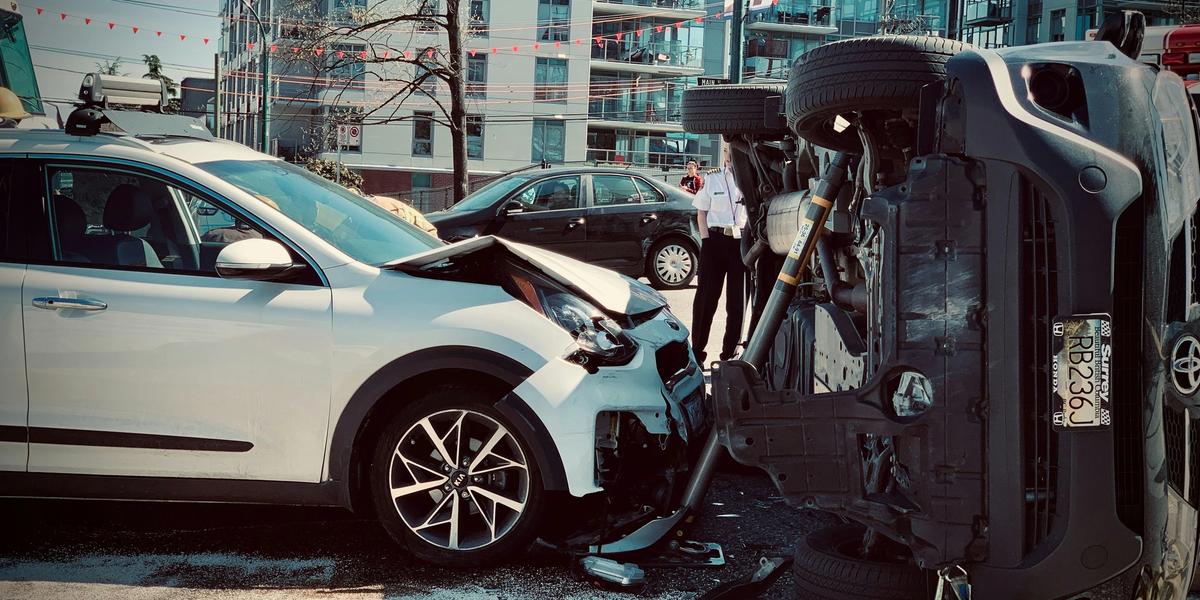
The moment you file a car insurance claim after an accident, a process begins that most policyholders are only dimly aware of until the renewal notice arrives with a new, higher premium. The increase is not random or arbitrary. It is the result of specific rating factors being applied to a risk profile that now includes an at-fault accident or in some cases even a not-at-fault one.
The financial impact of an accident on your insurance premium is real, it persists for years, and its magnitude depends on factors you can understand and in some cases manage. Knowing what to expect, what determines the size of the increase, and what options you have for minimizing the long-term cost of an accident allows you to make better decisions both immediately after an incident and in the years that follow.
This guide explains how insurance companies assess accident risk, how much rates typically increase, how long that increase lasts, and the strategies available for recovering from an accident on your insurance record.
How Insurers Assess Accident Surcharges
Car insurance companies apply surcharges to policies following at-fault accidents based on a combination of factors: the severity of the accident, the dollar amount of the resulting claim, the nature of the collision, and your prior claims history. Most states allow insurers to increase premiums after at-fault accidents without requiring specific regulatory approval for each individual surcharge, operating instead under approved rating plans filed with the state insurance commissioner.
The surcharge calculation varies significantly between companies. One insurer might apply a flat percentage increase for any at-fault accident regardless of severity; another might scale the surcharge based on claim amount; a third might apply different rates for bodily injury accidents versus property damage only accidents. This variation is one of the most compelling reasons why shopping for new coverage after an accident, rather than simply accepting your current insurer's renewal terms, can produce meaningfully better outcomes.
Most states prohibit surcharges for not-at-fault accidents, though some allow insurers to consider them in determining rates. This means that being rear-ended or struck by an uninsured motorist should not, in most cases, result in a premium increase, though a pattern of frequent not-at-fault claims can raise questions about overall risk in some companies' rating models.
| Accident Type | Typical Rate Increase (Year 1) | Duration of Impact | Notes |
|---|---|---|---|
| At-fault collision, minor | 20% to 40% | 3 to 5 years | Varies widely by insurer and state |
| At-fault collision, major | 40% to 75% | 3 to 5 years | Higher claim amounts increase surcharge |
| At-fault with injury | 50% to 100%+ | 3 to 5 years | Bodily injury claims carry heaviest surcharges |
| Not-at-fault | 0% to 15% | 0 to 3 years | Depends on state law and insurer policy |
| Comprehensive (weather, theft) | 0% to 20% | 0 to 3 years | Often not surcharged; check policy |
Accident Forgiveness: What It Is and What It Is Not
Many car insurance companies offer accident forgiveness as a feature, either included in certain policy tiers or available as an add-on rider. Accident forgiveness means that the first at-fault accident on a policy will not trigger a premium surcharge at renewal. It sounds like valuable protection, and for drivers who have one accident in an otherwise clean record, it can genuinely matter.
The important limitations are significant, however. Accident forgiveness typically applies only to the first at-fault accident, applies only when certain eligibility conditions are met, usually including a minimum period of accident-free driving before the benefit is available, and does not prevent the accident from being reported to your driving record where it will still affect your ability to get competitive rates from other insurers if you switch.
Accident forgiveness is genuinely valuable for long-term customers of a single insurer who meet the eligibility criteria and who have a genuine first accident after years of clean driving. It is much less valuable for drivers who shop for new coverage frequently, since the accident will affect quotes from any insurer who pulls your driving record regardless of whether your current insurer forgave it.
How Long the Impact Lasts and When It Drops Off
In most states, at-fault accidents remain on your insurance record for three to five years, with the specific duration varying by state law, insurer practice, and the severity of the incident. During this window, the accident is a live rating factor that typically produces its highest surcharge in the first renewal year and then gradually decreases each subsequent year as the accident moves further into the past.
Understanding the specific timeline for your insurer and state matters for planning purposes. If you are approaching the three-year or five-year anniversary of an at-fault accident, that anniversary may trigger a meaningful premium reduction at your next renewal even without taking any other action. Knowing this prevents you from switching insurers right before the surcharge would have dropped off naturally, potentially resetting other loyalty or longevity discounts.
Your driving record is maintained by your state's DMV separately from your insurance record. Some violations and accidents may appear on one but not the other, or may have different retention periods on each. When shopping for new coverage, insurers typically pull both your driving record from the state DMV and a CLUE report, which is a database of insurance claims history, so both records affect the quotes you receive.
Strategies for Managing Your Rates After an Accident
Shopping for new insurance after an at-fault accident is often the most effective immediate strategy for managing the rate increase. Different insurers apply very different surcharges for the same accident, and the spread between the highest and lowest quotes in your market can be substantial. The insurer who was cheapest before the accident may not be cheapest after it, and a company that specializes in serving drivers with imperfect records may offer a genuinely competitive alternative.
Taking a defensive driving course is a concrete, affordable step that signals improved driving habits and often produces a discount that partially offsets the accident surcharge. Many states require insurers to offer these discounts, and completing an approved course typically costs $20 to $50 and takes a few hours online, producing discounts that can last several years.
Increasing your deductible is another lever that can partially offset a premium increase, though it shifts financial risk to you in the event of a future claim. Reviewing your coverage limits and dropping any optional coverages that no longer make financial sense for your vehicle's age and value is also worth doing as part of the post-accident insurance review, though it should be done thoughtfully rather than reactively.
Final Thoughts
A car accident on your record is a financial reality that does not disappear quickly, but it is also a manageable one. The magnitude of the rate increase depends on factors you can evaluate, the duration is specific and knowable, and the strategies for managing the impact are concrete and accessible.
The most effective response to an accident on your record is active engagement: shopping your coverage at renewal rather than automatically renewing, considering defensive driving courses, and reassessing your coverage structure in light of your current vehicle's value and your own financial position.
The accident happened. What you do in the months and years that follow determines how much it costs you beyond the initial claim.
Frequently Asked Questions
Clarion Editorial Team
Editorial Research Team
Clarion Editorial Team creates plain-English educational content covering legal, insurance and finance topics for US and UK readers.
- Editorial Research
- Consumer Education
- Financial Literacy
Related Guides

Best Car Insurance Companies Ranked and Compared

Car Insurance Discounts You Might Be Missing

Car Insurance for High-Risk Drivers: Your Options
