Best Boat and Watercraft Insurance Compared
Boat insurance is not required in most states, but it protects against risks that no responsible watercraft owner should leave unaddressed. Here is how the leading boat insurance companies compare and what to look for in a policy.
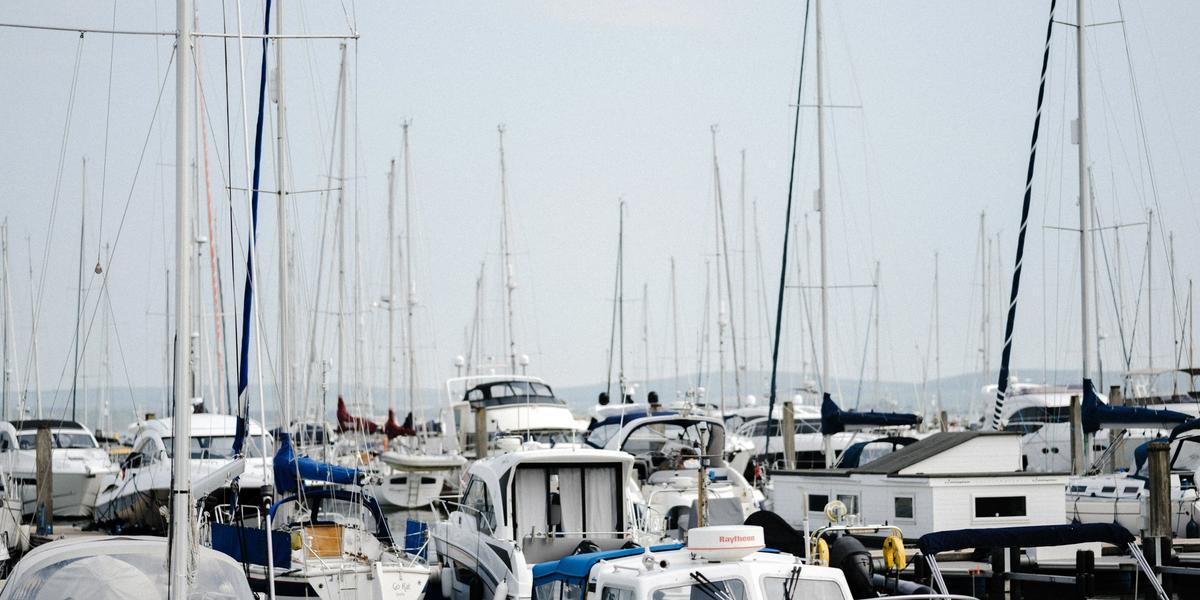
Owning a boat is one of the more genuinely enjoyable ways to spend discretionary income, and for many owners it represents a significant financial investment. A center console fishing boat, a pontoon, a ski boat, or a personal watercraft can easily cost $30,000 to $150,000 or more, and the liability exposure from a serious boating accident can dwarf even that figure. Yet boat insurance remains optional in most states and is frequently either skipped entirely or purchased with less care than the value of the asset warrants.
Boat insurance is not the same as a homeowner's policy endorsement, which is how some smaller watercraft are covered. Purpose-built watercraft policies from companies that specialize in this market provide coverage that is specifically designed for how boats are used, stored, and damaged, in ways that a generalized property endorsement does not match.
This guide compares the leading boat insurance companies, explains what coverage features matter most, and identifies what to look for in a policy for your specific type of watercraft.
The Leading Boat Insurance Companies Compared
Progressive is one of the most widely available and most frequently purchased boat insurance providers in the United States. Their watercraft policies cover a broad range of vessel types and offer agreed value coverage, meaning the boat is insured for a specific agreed amount rather than a depreciated actual cash value. Progressive also offers on-water towing and assistance, which can be one of the most practically useful benefits for active boaters.
BoatUS, which operates as part of the Geico Insurance group, has built its boat insurance product around the needs of the boating community specifically. The company has been insuring boats for decades, maintains an extensive on-water towing network, and offers agreed value policies with coverage options that include coverage while the boat is in storage or being transported on a trailer. Membership in BoatUS also provides access to a towing network that independent boat owners find genuinely valuable.
Markel Specialty and NBOA (National Boat Owners Association) are additional providers worth evaluating, particularly for higher-value vessels and for boat owners who have experienced claims and found the larger carriers less responsive. For large sailboats, offshore cruisers, and high-performance vessels whose risk profiles are more specialized, working with a broker who specializes in marine insurance often produces better coverage at more competitive pricing than the standard direct market.
| Company | Best For | Agreed Value? | On-Water Towing | Specialty |
|---|---|---|---|---|
| Progressive | Most vessel types; competitive pricing | Yes | Yes | Wide availability |
| BoatUS / Geico | Active boaters; towing members | Yes | Yes; extensive network | Membership benefits |
| Markel | Higher value vessels; specialty risks | Yes | Varies | Marine specialist |
| Allstate | Bundling with home and auto | Varies | Optional | Standard market |
| State Farm | Existing customers; bundling | Varies | Optional | Standard market |
What Boat Insurance Actually Covers
A comprehensive boat insurance policy covers physical damage to the vessel from collisions, fire, theft, storm damage, and sinking. It covers bodily injury and property damage liability when you are responsible for an accident that injures another person or damages their property. It covers medical payments for injuries to you and your passengers. And it covers on-water towing and assistance when the vessel becomes disabled.
Agreed value versus actual cash value is the most important coverage distinction in boat insurance. Agreed value policies pay the full agreed amount if the boat is a total loss, with no depreciation deduction. Actual cash value policies pay the depreciated market value, which for a five-year-old boat can be significantly below the purchase price. Agreed value policies cost more but provide substantially better protection, particularly for newer and higher-value vessels.
Fuel spill liability, uninsured boater coverage, and emergency towing are coverage components that many boat owners do not think about until they need them. Fuel spill cleanup can cost thousands of dollars and is your legal responsibility as the vessel owner. Uninsured boater coverage provides compensation when you are injured by an uninsured watercraft operator. These components are worth verifying in any policy you are evaluating.
Factors That Affect Your Boat Insurance Premium
The type and size of the vessel has the largest impact on boat insurance pricing. A 14-foot aluminum fishing boat has a completely different risk profile than a 35-foot twin-engine offshore fishing vessel, and the premiums reflect that difference dramatically. Engine horsepower, boat age, hull construction, and whether the vessel is used in freshwater or saltwater all contribute to the premium calculation.
Your boating experience and history affect pricing in a similar way to how driving history affects auto insurance. Boaters with years of experience, no prior claims, and formal boating safety course completion typically qualify for better premiums than new boaters or those with prior incidents. Many insurers offer discounts specifically for completed boating safety courses from organizations like the US Power Squadrons or the Coast Guard Auxiliary.
Where and how you use the boat also matters. A vessel kept on a private dock in a protected cove faces different risks than one moored in an exposed marina or kept in a storm-prone coastal area. Winter storage arrangements, whether the boat is kept in a heated, indoor facility versus a shrink-wrapped outdoor lot, affect both the risk and the premium for coverage during the storage period.
Personal Watercraft: A Separate but Related Category
Personal watercraft like Jet Skis, WaveRunners, and Sea-Doos present their own specific insurance considerations. They generate a disproportionately high number of insurance claims relative to their cost, primarily because of the speed, maneuverability, and inexperienced riders that characterize much PWC use. Some insurers treat them under boat policies; others require separate PWC-specific coverage.
The liability exposure from a PWC accident is genuine: serious injuries occur when riders collide with other watercraft, swimmers, or fixed objects. Liability limits on PWC policies should be as robust as those on any other watercraft policy, and the temptation to carry minimum coverage on what appears to be a modest recreational vehicle should be resisted.
Many homeowner's policies exclude watercraft above certain horsepower thresholds from their liability coverage. Verifying whether your homeowner's policy covers PWC liability and whether that coverage is adequate is an important step before assuming the homeowner's policy addresses the risk.
Final Thoughts
Boat insurance protects a significant recreational investment against a range of risks that are genuinely present every time a vessel leaves the dock. The difference between the right policy and an inadequate one is not primarily in the premium but in the coverage terms: agreed value versus ACV, the scope of liability limits, and the breadth of coverage for towing and assistance.
Compare at minimum three quotes for your specific vessel type and usage pattern. Verify the agreed value provision, the liability limits, and the towing and assistance coverage before making your decision. And consider working with a marine insurance specialist for higher-value or specialty vessels where the standard market may not provide optimal coverage.
The water is where accidents happen. Make sure you are covered before you cast off.
Frequently Asked Questions
Clarion Editorial Team
Editorial Research Team
Clarion Editorial Team creates plain-English educational content covering legal, insurance and finance topics for US and UK readers.
- Editorial Research
- Consumer Education
- Financial Literacy
Related Guides

Best Insurance Companies for Claims Service

Best Insurance for High-Value Homes

Best Insurance for New Drivers Under 25
