What to Do Immediately After a Car Accident: A Step-by-Step Legal Guide
The moments after a collision are chaotic and disorienting, yet they are precisely when the decisions you make carry the most legal weight. This guide walks you through exactly what to do, in order, so you protect your health, your rights, and your ability to recover fair compensation.
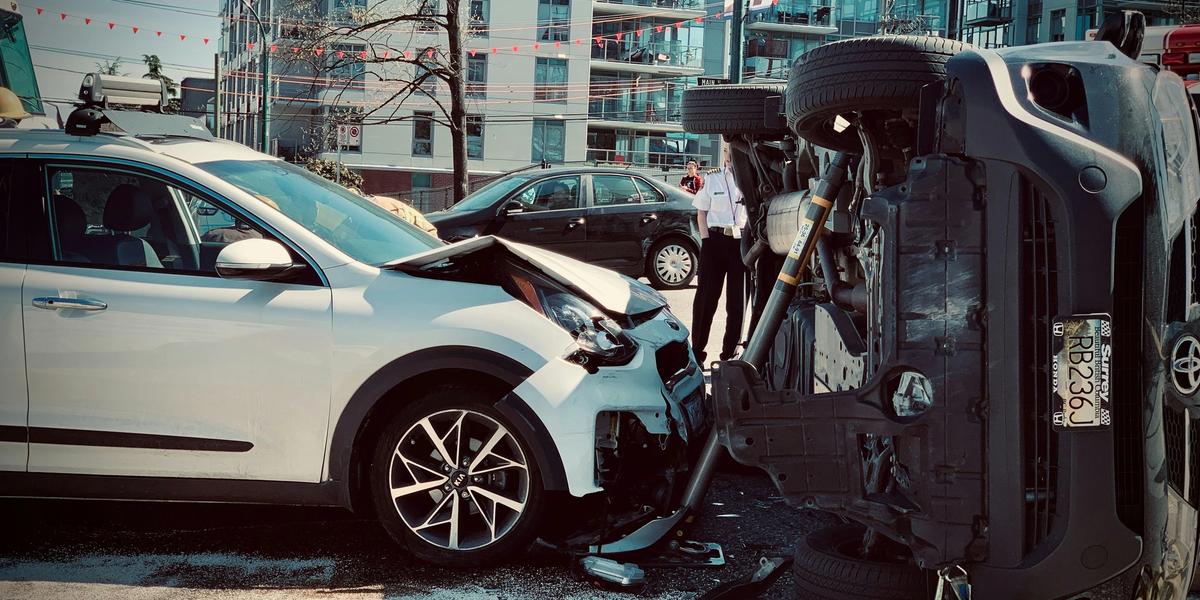
Picture this: you are driving home on a Tuesday evening, music on, mind elsewhere, and in an instant your world is rearranged by the sound of crushing metal. The minutes that follow feel surreal, a blur of adrenaline and confusion. What you do in those minutes, and in the hours that come after, will shape everything that happens legally for months to come.
Most people have a rough idea that they should call the police and exchange insurance information. But the full picture is far more nuanced than that, and the gaps in most drivers' knowledge cost them real money. Evidence disappears. Memories fade. Insurers move quickly, and they are not on your side.
This guide gives you a clear, ordered roadmap for the aftermath of a car accident. Whether the crash was minor or severe, whether fault seems obvious or hopelessly disputed, these steps apply. Follow them and you will be in the strongest possible legal position from day one.
Step One: Make Sure Everyone Is Safe
Before you think about documentation, insurance, or legal liability, your first obligation is human. Check yourself for injuries, and then check your passengers. A surge of adrenaline after a crash can mask pain and suppress the signs of serious injury, so even if you feel fine, treat yourself as potentially injured until a medical professional tells you otherwise.
If anyone in either vehicle appears seriously hurt, call 911 immediately and do not move them unless the scene poses an immediate danger, such as a fire or oncoming traffic. Moving a person with a spinal injury can turn a recoverable condition into a permanent one. Stay calm, speak reassuringly, and wait for paramedics.
If the vehicles are drivable and the crash is a minor one with no injuries, move them out of the flow of traffic to a shoulder or parking area. Turn on hazard lights. Place flares or warning triangles if you have them. Your goal is to prevent a second accident while you deal with the first.
Step Two: Call the Police and Get a Report
Many drivers skip this step after a minor fender bender, thinking it is an unnecessary hassle. This is almost always a mistake. A police report creates an official, contemporaneous record of what happened: the date, time, location, parties involved, weather conditions, and, crucially, the officer's initial assessment of fault.
When the officer arrives, give a factual account of what you observed. Do not speculate, do not apologize, and do not say anything that could be construed as an admission of fault. 'I did not see them coming' and 'I am so sorry' may feel like natural human reactions, but both can be used against you in negotiations or court.
Ask the officer for the report number before they leave. The full report typically becomes available within a few days through your local police department or the department's online portal. Request a copy as soon as it is available and review it carefully. If you spot an error, you have the right to submit a written supplement disputing inaccurate information.
| What to Tell the Officer | What to Avoid Saying |
|---|---|
| The sequence of events as you observed them | Apologies or expressions of fault |
| The speed you were traveling | Speculation about the other driver's intent |
| Any witness names you collected | Medical self-diagnosis at the scene |
| Your contact and insurance information | Estimates you are not certain of |
Step Three: Document Everything at the Scene
Your smartphone is your most powerful evidence-gathering tool. Use it thoroughly. Photograph both vehicles from multiple angles, capturing the damage, the license plates, the position of the cars relative to the road, and any skid marks, debris, or traffic signals in the frame. Take wide shots and close-ups. Take more photographs than you think you need.
Exchange information with the other driver: full name, phone number, address, driver's license number, license plate number, insurance company name, and policy number. If there are passengers in either car, note their names as well. If bystanders witnessed the collision, ask for their contact information. A witness who saw the other driver run a red light or check their phone is extraordinarily valuable.
Note the conditions at the scene in a voice memo or written note immediately: the weather, lighting, road surface, any obstructions to visibility, and the exact time. These details feel vivid now but will blur within 48 hours. The contemporaneous record you create at the scene will outlast your memory and may be exactly what a lawyer or jury needs to understand what happened.
Step Four: Seek Medical Attention Right Away
Even if you feel fine at the scene, see a doctor within 24 hours of the accident. This is not overcaution; it is essential for both your health and your legal case. Whiplash, concussions, internal bleeding, and soft tissue injuries frequently produce no significant symptoms until the day after the crash. By the time you feel them, you have already lost precious diagnostic and legal time.
The connection between seeking prompt medical attention and the strength of your injury claim is direct and well-documented. Insurance adjusters are trained to argue that a gap in time between the accident and your first medical visit suggests the injuries were not serious, or that they happened somewhere else. A same-day or next-day visit eliminates that argument entirely.
Attend every follow-up appointment your doctor recommends and follow through on referrals to specialists. Keep every receipt, medical bill, and prescription record. Write a brief personal journal entry each day describing how you feel physically and emotionally. This ongoing documentation becomes the evidence base for your pain and suffering claim, which is often the largest component of a personal injury settlement.
Step Five: Protect Your Legal Rights Before Talking to Insurers
You will hear from insurance adjusters quickly, sometimes within hours of the accident. They are professional negotiators trained to minimize payouts. The most important thing to understand is that you are under no obligation to give a recorded statement to the other driver's insurance company. Politely decline and note that your attorney will be in touch.
Notify your own insurance company of the accident as required by your policy, but be careful about what you say even to your own insurer. Stick to the facts. Do not minimize your injuries, speculate about fault, or accept any settlement offer before you fully understand the scope of your damages and medical prognosis.
Before you sign anything or accept any payment, consult a personal injury attorney. Most offer free initial consultations and work on contingency, meaning you pay nothing unless they recover money for you. That consultation may be the most important 30 minutes you invest in the entire claims process.
Final Thoughts
A car accident turns an ordinary day into a legal situation you were not prepared for. The good news is that preparation does not require a law degree. It requires knowing the right steps, taking them in the right order, and protecting yourself before the other side has a chance to shape the narrative.
The decisions you make in the first 24 hours after a collision ripple outward for months. The evidence you gather, the medical care you seek, and the statements you do or do not make will all become part of the story that insurers, lawyers, and potentially a judge or jury will evaluate. Make that story as complete and accurate as possible from the very beginning.
If you have been in an accident and are unsure about your next steps, the smartest move you can make today is a free consultation with a personal injury attorney. It costs you nothing and gives you clarity about exactly where you stand.
Frequently Asked Questions
Clarion Editorial Team
Editorial Research Team
Clarion Editorial Team creates plain-English educational content covering legal, insurance and finance topics for US and UK readers.
- Editorial Research
- Consumer Education
- Financial Literacy
Related Guides

How Much Is My Car Accident Settlement Worth?

How to File a Personal Injury Claim: Complete Step-by-Step Guide

Slip and Fall Accidents: Your Legal Rights and How to File a Claim
