Rights of Undocumented Immigrants in the United States
Undocumented immigrants have legal rights in the United States that many of them do not know they have. Understanding constitutional protections, rights during encounters with law enforcement, and the right to access certain services clarifies what the law actually provides regardless of immigration status.
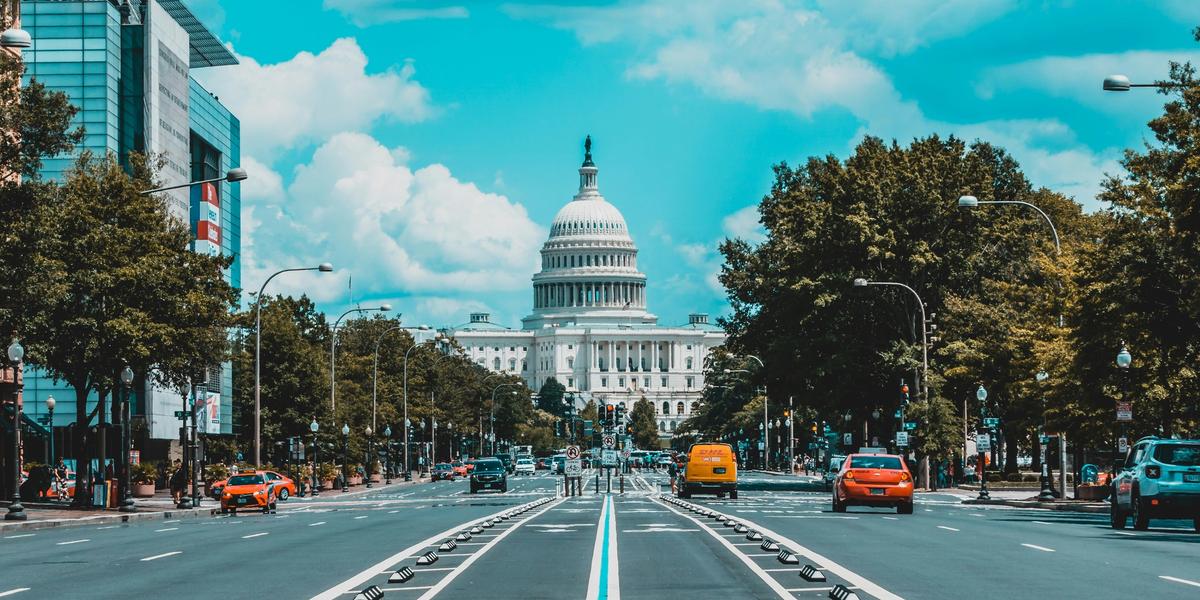
Immigration status does not determine whether a person has constitutional rights in the United States. The Constitution's protections, including due process, equal protection, the right against unreasonable searches and seizures, and the right to remain silent, apply to all persons within US territory regardless of how they entered or how long they have been here. This is not a controversial legal proposition; it is settled constitutional law.
Many undocumented people do not know about their constitutional rights or are afraid to exercise them because of fear of immigration consequences. This fear, while understandable given the reality of enforcement, is often based on incomplete understanding of when and how immigration enforcement interacts with ordinary encounters with police, employers, schools, and social services agencies.
This guide explains the constitutional and legal rights that undocumented immigrants have in the United States, how those rights operate in practice, and what protections apply in the most common situations where rights questions arise.
Constitutional Rights That Apply Regardless of Status
The Fourth Amendment's protection against unreasonable searches and seizures applies to undocumented immigrants. Police cannot stop, detain, or search a person based solely on a suspicion about their immigration status. A valid traffic stop requires reasonable suspicion that a traffic law was violated; an investigatory stop requires reasonable suspicion that criminal activity is afoot; an arrest requires probable cause. Immigration status is not a basis for any of these stops under the Fourth Amendment.
The Fifth Amendment's right to remain silent and the Sixth Amendment's right to an attorney in criminal proceedings apply to undocumented immigrants in criminal cases. When taken into custody for a criminal matter, an undocumented person has the same Miranda rights as any other person: the right to remain silent and the right to an attorney. These rights must be explicitly invoked, and anything said after being read Miranda rights can be used against the person.
Due process rights apply in immigration proceedings. Undocumented people who are placed in removal proceedings have the right to a hearing before an immigration judge, the right to be represented by an attorney at their own expense, the right to present evidence and witness testimony, and the right to appeal an adverse decision. These procedural protections are constitutional minimums that cannot be eliminated by policy.
| Right | Constitutional Basis | Applies to Undocumented? |
|---|---|---|
| Right to remain silent | Fifth Amendment | Yes |
| Right against unreasonable search | Fourth Amendment | Yes |
| Due process in removal | Fifth Amendment | Yes |
| Right to an attorney (criminal) | Sixth Amendment | Yes; government must provide if cannot afford |
| Right to education (K-12) | Equal protection; Plyler v. Doe | Yes; cannot be denied based on status |
| Right to emergency medical care | Federal law (EMTALA) | Yes |
| Right to attorney (immigration) | Statutory; not Sixth Amendment | Yes, but at own expense |
Rights During Encounters with Police
When an undocumented person is stopped by police, they have the right to remain silent about their immigration status. Simply saying 'I am exercising my right to remain silent' and 'I want an attorney' are legally protective responses to police questioning that cannot be used as evidence of guilt. The right to remain silent covers both criminal questions and immigration status questions during police encounters.
Importantly, the right to remain silent does not eliminate the obligation to provide identification in states that have stop-and-identify laws. Many states require a person to provide their name when lawfully stopped, but that obligation does not extend to answering questions about immigration status, providing a document like a passport or visa, or answering questions about how and when they entered the country.
If ICE or Border Patrol rather than local police initiates a stop, the interaction is governed by different rules. ICE officers have specific statutory authority related to immigration enforcement that local police generally do not have. Even in ICE encounters, however, the right to remain silent and the right not to consent to a search apply. Asking whether you are free to leave, and leaving calmly if the answer is yes, is always an option when a stop has not been formally initiated.
Rights Regarding Employment and Education
Federal law prohibits employers from discriminating in employment based on immigration status in certain ways, but it also requires employers to verify work authorization. These obligations sometimes create tensions in employment contexts. Employees who have experienced employment discrimination based on their citizenship status or immigration status may have claims under federal anti-discrimination law, but the practical exercise of these rights is complicated by the undocumented worker's own status.
The Supreme Court's decision in Plyler v. Doe established that states cannot deny public K-12 education to undocumented children. Public schools cannot require proof of immigration status as a condition of enrollment, cannot inquire about students' immigration status, and cannot turn information about students' status over to immigration authorities. This protection is a constitutional right grounded in equal protection, not a policy choice, and it is widely respected across US school systems.
Public colleges and universities have no similar constitutional obligation, and their policies regarding undocumented student enrollment and tuition rates vary by state. Some states have enacted laws allowing undocumented students to pay in-state tuition; others charge out-of-state or international tuition rates; and federal financial aid is not available to undocumented students. The specific rules depend entirely on the state and institution.
Sanctuary Policies and Their Limitations
Sanctuary policies adopted by cities, counties, and states generally prohibit local law enforcement from asking about immigration status in routine encounters and from detaining people solely for immigration purposes based on ICE administrative detainers. These policies do not make localities immune from federal immigration enforcement, but they limit the ways in which local police resources are used to support federal enforcement activities.
ICE can and does conduct its own enforcement operations regardless of local sanctuary policies. Federal immigration enforcement does not require local police cooperation, and sanctuary policies only govern what local law enforcement does with local resources. Understanding what sanctuary policies do and do not provide prevents the misunderstanding that a sanctuary city provides absolute protection from immigration enforcement.
Even in places with sanctuary policies, arrest for criminal conduct can trigger federal immigration enforcement. When an undocumented person is arrested and booked for a criminal offense, that information may become accessible to immigration authorities through federal databases. Sanctuary policies typically limit cooperation with ICE detainers but do not prevent information sharing through federal systems.
Final Thoughts
Undocumented immigrants have real legal rights in the United States, and knowing those rights is one of the most important protections available. The Constitution applies to all persons on US territory, and the rights it provides do not disappear based on immigration status.
Exercising those rights effectively requires knowledge of what they are, understanding of how to invoke them in specific situations, and access to legal assistance when enforcement encounters escalate. Legal aid organizations, immigrant rights organizations, and immigration attorneys can provide guidance and representation when rights are at stake.
Know your rights. Invoke them calmly and clearly. Seek legal help as quickly as possible when you are in an enforcement situation where your rights are being challenged.
Frequently Asked Questions
Clarion Editorial Team
Editorial Research Team
Clarion Editorial Team creates plain-English educational content covering legal, insurance and finance topics for US and UK readers.
- Editorial Research
- Consumer Education
- Financial Literacy
Related Guides

Asylum in the United States: How to Apply and What to Expect

Citizenship for Children: Automatic Acquisition and Derivation

DACA: What It Is and Who Qualifies
