Classic Car Insurance: How It Differs from Regular Coverage
Classic cars are valued differently than regular vehicles, driven differently, and insured differently. Standard auto insurance is almost certainly the wrong choice for a collector or vintage vehicle. Here is how classic car insurance works and what it actually covers.
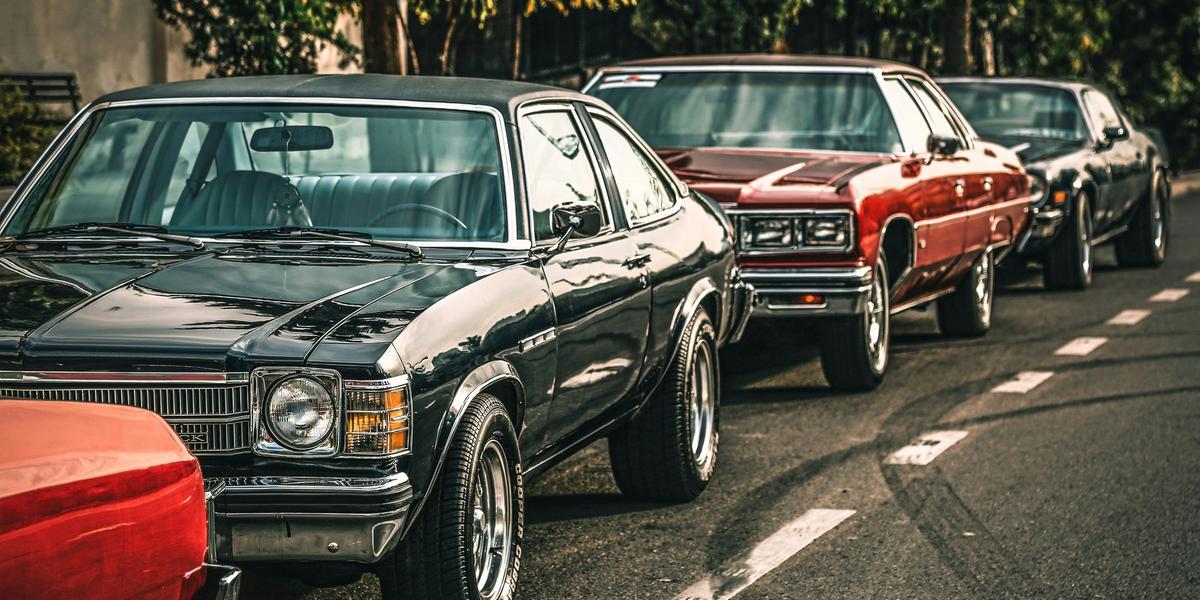
A 1965 Ford Mustang is not worth what its blue book value says, and any classic car owner knows it. The actual market value of a well-maintained classic vehicle is determined by collector markets, restoration quality, historical significance, and scarcity, not by the depreciation schedules that standard auto insurers use to value ordinary passenger vehicles.
Standard auto insurance is built for the disposable vehicle model: a car depreciates every year, and the insurance company values your loss at actual cash value, meaning the depreciated market value at the time of the claim. For most modern vehicles, this system works reasonably well. For a classic car that has appreciated over decades and represents a significant investment, it is entirely wrong.
Classic car insurance exists specifically to address this mismatch, offering agreed value coverage, usage-appropriate premiums, and policy terms designed for the realities of how collectors actually use and store their vehicles. This guide explains what classic car insurance provides, who qualifies, and how to choose the right policy for your specific vehicle.
Agreed Value vs Actual Cash Value: The Core Distinction
The most fundamental difference between classic car insurance and standard auto insurance is how the vehicle is valued for claims purposes. Standard auto insurance pays actual cash value in the event of a total loss, meaning the vehicle's market value at the time of loss after depreciation. For a 1970 Chevelle that has appreciated to $80,000, a standard auto insurer might pay only what comparable cars sold for at auction minus any depreciation factors their formula applies.
Classic car insurance uses agreed value, sometimes called guaranteed value, coverage. Before the policy is issued, you and the insurer agree on the value of the vehicle based on an appraisal. If the vehicle is a total loss, you receive that agreed amount with no depreciation deduction, no arguments about what comparable cars sold for last quarter, and no negotiation after the fact. The agreed value is the agreed value.
This distinction matters enormously in practice. A collector who experiences a total loss on a classic vehicle under standard coverage may find themselves in a protracted dispute with the insurer about what the vehicle was actually worth. A collector with agreed value coverage receives a check for the previously agreed amount, typically within the normal claims timeframe, without any valuation dispute.
| Feature | Classic Car Insurance | Standard Auto Insurance |
|---|---|---|
| Value basis | Agreed value (no depreciation) | Actual cash value (depreciated) |
| Usage requirements | Restricted; pleasure use and shows | Unrestricted daily use |
| Storage requirements | Secure, typically garaged | No requirement |
| Annual mileage | Limited (typically 1,000 to 5,000 miles) | Unlimited |
| Vehicle age | Typically 25 years or older | Any vehicle |
| Premium relative to value | Often much lower than standard | Relatively higher for same value |
Who Qualifies and What Vehicles Are Eligible
Classic car insurance is specifically designed for vehicles that are driven primarily for pleasure, show, and collection rather than for daily transportation. Qualifying typically requires that the vehicle be at least 25 years old, that the owner have a separate primary vehicle for regular use, that the vehicle be garaged securely when not in use, and that annual mileage be limited to the specified threshold in the policy, typically 1,000 to 5,000 miles per year.
The vehicle categories covered under classic car policies are broad. Antique cars from the early twentieth century, muscle cars from the 1960s and 1970s, vintage trucks, classic motorcycles, military vehicles, collector tractors, and even fire trucks can often be insured under specialty classic coverage. The key is that the vehicle is valued for its collector appeal rather than its transportation utility.
Vehicles under restoration present a special situation. Some classic car insurers specifically cover restoration projects, including situations where the vehicle is on jack stands, in pieces, or otherwise not drivable during an active restoration. Coverage for a project vehicle typically addresses fire, theft, and certain other risks during the restoration period, then transitions to full agreed value coverage when the restoration is complete.
Leading Classic Car Insurers and What They Offer
Hagerty is the best-known specialty classic car insurer and has built an extensive infrastructure around the collector car community including valuation tools, auctions, and events. Their coverage is comprehensive, their agreed value process is well-established, and their claims reputation is strong within the collector community. Hagerty covers a wide range of vehicles and offers flexible mileage options.
American Collectors Insurance and Grundy Worldwide are two other well-regarded specialty insurers in the classic car space, each with established reputations among serious collectors. American Collectors offers particularly competitive pricing for vehicles in lower value ranges; Grundy has strong coverage options for higher-value vehicles and collections.
Some standard auto insurers, including State Farm and Nationwide, offer classic car endorsements or subsidiary programs. These may be appropriate for vehicles at the lower end of the classic market, but collectors with higher-value or rarer vehicles typically find that specialty insurers offer better agreed value processes, more knowledgeable claims adjusters, and more appropriate coverage terms for serious collections.
Getting the Appraisal Right: The Foundation of Your Coverage
The agreed value that forms the basis of classic car coverage is only as good as the appraisal process that establishes it. An inadequate appraisal that undervalues the vehicle leaves the owner underinsured; an inflated appraisal creates problems at claims time if the insurer disputes the basis of the agreed value. Getting a current, professionally documented appraisal from a qualified appraiser who knows your specific make, model, and era is the most important step in establishing appropriate coverage.
The appraisal should be updated whenever the vehicle's market value changes significantly, whether through market appreciation in the collector category, completion of restoration work, addition of modifications or accessories, or changes in documented provenance. An appraisal that was accurate five years ago may meaningfully undervalue a vehicle whose collector market has strengthened or whose condition has improved through restoration.
Most classic car insurers require periodic appraisals, typically every one to three years, as part of maintaining coverage at the agreed value. Some offer their own appraisal resources or accept a range of qualified appraiser credentials. Understanding your specific insurer's appraisal requirements and keeping them current protects the agreed value you are paying to insure.
Final Thoughts
Classic car insurance is not a luxury for serious collectors; it is the appropriate tool for a fundamentally different type of vehicle ownership. Standard auto insurance is designed for vehicles that depreciate and are driven daily. Classic car insurance is designed for vehicles that appreciate and are driven carefully for specific purposes.
The agreed value coverage that classic car policies provide eliminates the most painful potential consequence of standard coverage for a collector: discovering after a total loss that the insurance company's valuation of your vehicle bears no relationship to what you could actually replace it for in the collector market.
If you own a vehicle with collector value and are currently covering it under a standard auto policy, reviewing that coverage against the specific features and terms of a specialty classic car policy is a worthwhile exercise. The cost difference is often smaller than expected, and the coverage difference is significant.
Frequently Asked Questions
Clarion Editorial Team
Editorial Research Team
Clarion Editorial Team creates plain-English educational content covering legal, insurance and finance topics for US and UK readers.
- Editorial Research
- Consumer Education
- Financial Literacy
Related Guides

Best Car Insurance Companies Ranked and Compared

Car Insurance After an Accident: What Happens to Your Rates

Car Insurance Discounts You Might Be Missing
