Full Coverage vs Liability Only: Which Should You Choose?
The choice between full coverage and liability-only car insurance is one of the most financially consequential decisions in personal insurance. It is not simply about the premium; it is about which risks you are keeping and which you are transferring, and whether that allocation makes sense for your specific financial situation.
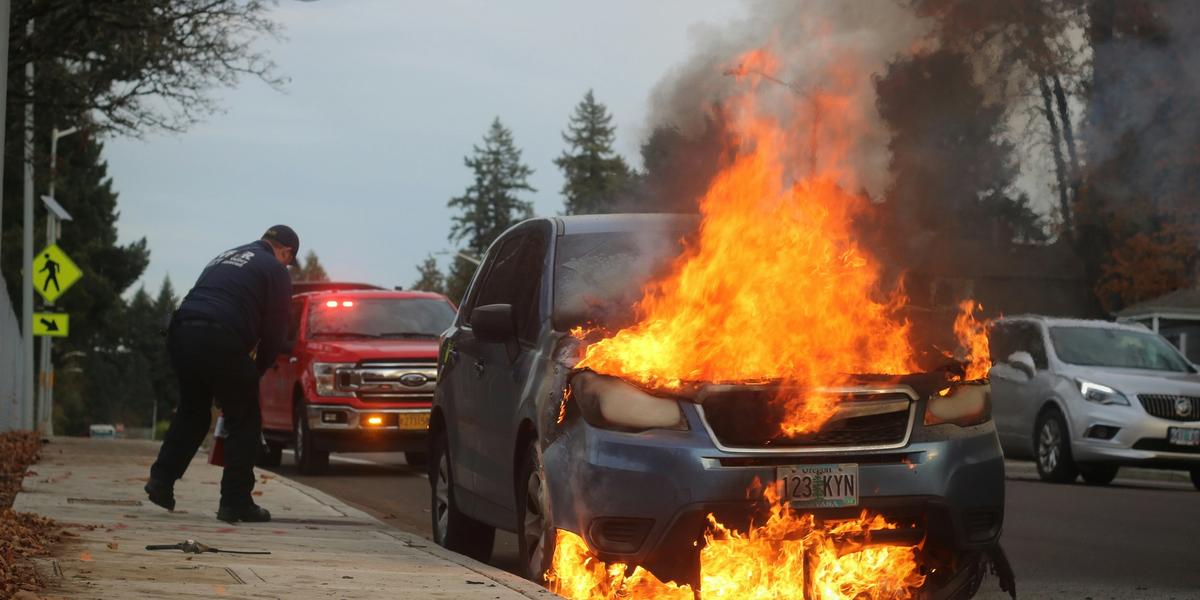
Full coverage and liability only are the two broad categories into which most car insurance decisions ultimately fall, and the choice between them affects both your premium and your financial exposure in the event of an accident. The decision deserves more careful analysis than most people give it, because the right answer depends on factors specific to your vehicle, your finances, and your risk tolerance.
Liability-only coverage pays for damage and injuries you cause to others in an accident but does nothing for your own vehicle. Full coverage adds collision and comprehensive protection, covering your vehicle whether the damage comes from an accident you caused, one caused by someone else, weather, theft, or another covered event. The premium difference between the two is real and often significant.
This guide explains exactly what each coverage type provides, how to evaluate which choice makes sense for your specific situation, and the factors that most commonly tip the decision one way or the other.
What Liability-Only Coverage Actually Covers
Liability coverage is legally required in virtually every state and covers the financial obligation you have to other people when you are at fault in an accident. Bodily injury liability pays for the medical expenses, lost wages, and other damages of people you injure. Property damage liability pays for the damage to other people's vehicles and property that you cause.
Liability coverage protects your assets from the consequences of causing harm to others, but it provides nothing for your own financial loss. If you cause an accident and your vehicle is totaled, liability insurance does not repair or replace your car. If you are injured, liability insurance does not cover your medical expenses. If an uninsured driver hits your car, liability insurance does not compensate you for the damage.
Minimum liability limits are typically far below what serious accidents cost. A state minimum of $25,000 per person in bodily injury liability may leave you personally exposed to massive financial liability from a serious accident involving significant medical costs or death. Carrying only the state minimum is legal but often insufficient protection for drivers with assets worth protecting.
| Coverage Type | What It Covers | What It Does Not Cover |
|---|---|---|
| Bodily injury liability | Medical costs of others you injure | Your own injuries; your vehicle |
| Property damage liability | Other people's vehicles and property you damage | Your own vehicle |
| Collision | Your vehicle damaged in an accident | Your injuries; others' vehicles or injuries |
| Comprehensive | Your vehicle from non-collision events | Collision damage; others' vehicles or injuries |
| Uninsured/underinsured motorist | Your losses from uninsured drivers | Your at-fault accidents |
The Financial Logic of Full Coverage
Full coverage makes financial sense when you could not replace or repair your vehicle from savings without significant hardship if it were totaled or severely damaged. The insurance company is absorbing the financial risk of that loss in exchange for the premium you pay. If your vehicle is worth $25,000 and you would need to finance a replacement, the annual premium for collision and comprehensive coverage is almost certainly worth paying.
The break-even analysis for full coverage involves comparing the annual premium for collision and comprehensive against the potential out-of-pocket cost of the losses those coverages address. A vehicle worth $25,000 with a $1,000 deductible and a $900 annual premium for collision and comprehensive means you are paying $900 per year to avoid a potential $24,000 net loss. The math strongly favors coverage.
Lenders and lessors require full coverage on financed and leased vehicles, which removes the choice for a large portion of drivers. If you are making payments on your car, you are required to carry collision and comprehensive coverage by the terms of your loan or lease, and failing to do so allows the lender to force-place coverage on your behalf at a significantly higher rate.
The Financial Logic of Dropping Full Coverage
The decision to drop collision and comprehensive coverage becomes financially defensible when the vehicle's market value has declined to a point where the annual premium for those coverages represents a significant percentage of the maximum possible claim, and where you could absorb the loss of the vehicle without serious financial hardship.
A commonly used rule of thumb is that when a vehicle's market value falls below ten times the annual collision and comprehensive premium, the coverage may no longer be cost-effective. A vehicle worth $4,000 with a $600 annual collision and comprehensive premium and a $1,000 deductible yields a maximum net claim of $3,000, making the $600 annual premium represent 20 percent of the maximum benefit. That math becomes difficult to justify.
The important caveat is that this calculation depends entirely on your financial ability to absorb the loss of the vehicle. A driver who would face genuine hardship replacing a $4,000 car out of pocket may rationally carry full coverage on it even when the pure math suggests otherwise, because the insurance is providing protection against a loss they genuinely could not handle.
The Missing Piece: What Liability-Only Drivers Often Forget
Drivers who drop full coverage to save money often retain their liability coverage at state minimums, which creates a different and sometimes larger financial exposure. The uninsured and underinsured motorist coverage that is bundled with many policies, and the medical payments or PIP coverage that covers your own injury expenses regardless of fault, are components that deserve retention even for liability-only drivers.
Uninsured motorist coverage is particularly important in liability-only situations because it is the mechanism through which you can recover compensation for damage to your vehicle caused by an uninsured driver. Without uninsured motorist property damage coverage, your only recourse against an uninsured driver who totals your $15,000 car is a lawsuit against someone who demonstrably has no insurance, which is typically an exercise in futility.
The decision to drop collision and comprehensive should not automatically result in dropping every coverage that goes beyond the state minimum liability requirement. A thoughtful review of each coverage component and its specific value in your situation is the right approach.
Final Thoughts
The choice between full coverage and liability only is a personal financial decision, not a universal rule. The right answer depends on your vehicle's value, your financial resilience, your risk tolerance, and your ability to absorb the specific losses that each coverage type addresses.
The analysis is worth doing carefully and revisiting annually, because both the vehicle's market value and your personal financial situation change over time. A coverage structure that was appropriate three years ago may not be appropriate today, and the reverse is also true.
Make the choice actively based on the actual numbers of your situation rather than by default. Either outcome can be the right one, but only if you have genuinely evaluated the trade-offs rather than simply leaving things as they were.
Frequently Asked Questions
Clarion Editorial Team
Editorial Research Team
Clarion Editorial Team creates plain-English educational content covering legal, insurance and finance topics for US and UK readers.
- Editorial Research
- Consumer Education
- Financial Literacy
Related Guides

Best Car Insurance Companies Ranked and Compared

Car Insurance After an Accident: What Happens to Your Rates

Car Insurance Discounts You Might Be Missing
