Rideshare Insurance: What Uber and Lyft Drivers Need
Driving for Uber or Lyft creates an insurance gap that most new rideshare drivers are not aware of until they discover it the hard way. Understanding exactly when the app's coverage applies, when it does not, and what additional coverage you need is essential before your first trip.
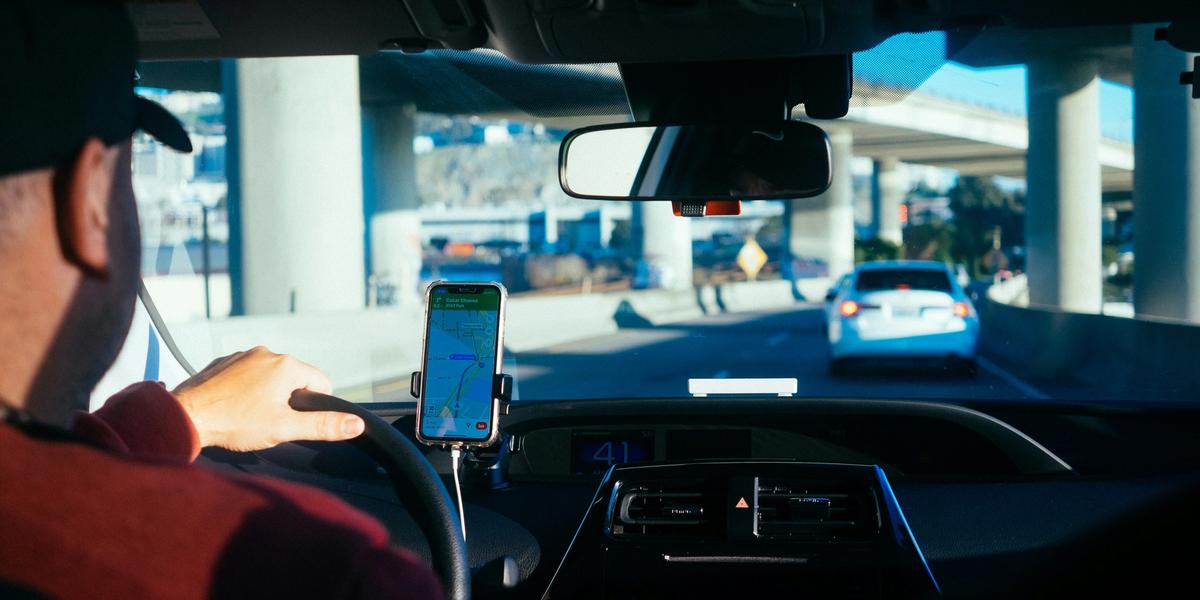
Becoming a rideshare driver for Uber, Lyft, or a similar platform seems straightforward from the insurance perspective: the app company carries commercial coverage, you carry personal coverage, and between the two of them you are presumably protected. The reality is more complex, and the gap between the two sources of coverage is where most rideshare drivers are most exposed.
Personal auto insurance policies typically exclude commercial use, meaning the coverage you have for personal driving may not apply when you are using the vehicle as a commercial rideshare driver. Platform coverage from Uber or Lyft does apply during certain phases of rideshare driving, but not all of them. Understanding which coverage applies in which phase of the driving cycle is the foundational knowledge every rideshare driver needs.
This guide explains the three phases of rideshare driving, what coverage applies in each phase, where the coverage gaps exist, and how to close them through rideshare insurance endorsements or policies specifically designed for the rideshare driver market.
The Three Phases of Rideshare Driving and Their Coverage
Rideshare insurance is most clearly understood through the lens of three distinct phases in each driving cycle. Phase 1 is the period when the driver's app is on but no ride has been accepted; the driver is available but not actively transporting a passenger. Phase 2 begins when a ride is accepted and the driver is en route to pick up the passenger. Phase 3 covers the period when the passenger is in the vehicle.
Uber and Lyft provide specific coverage for each phase, but the coverage is not equal across all three. During Phase 2 and Phase 3, the platform's full commercial coverage applies, including liability limits of $1 million per occurrence. During Phase 1, the platform provides only limited liability coverage, typically $50,000 per person and $100,000 per accident in bodily injury and $25,000 in property damage, with no collision or comprehensive coverage for the driver's own vehicle.
The most significant coverage gap is during Phase 1. A driver who is available on the app but has not yet accepted a ride is in commercial use of the vehicle from their personal insurer's perspective, potentially disqualifying them from personal coverage, but is only receiving the platform's reduced Phase 1 coverage. If an accident occurs in Phase 1, the driver may be underinsured.
| Phase | Driver Status | Platform Liability Coverage | Platform Collision Coverage | Personal Insurance Status |
|---|---|---|---|---|
| App off | Personal use only | None from platform | None from platform | Full personal coverage applies |
| Phase 1: App on, no ride | Available; no passenger accepted | $50K/$100K/$25K limited | None | Typically excluded by personal policy |
| Phase 2: En route to pickup | Accepted ride; en route | $1 million | Yes (subject to deductible) | Typically excluded by personal policy |
| Phase 3: Passenger in vehicle | Active trip in progress | $1 million | Yes (subject to deductible) | Typically excluded by personal policy |
Why Personal Insurance Does Not Cover Rideshare Driving
Standard personal auto insurance policies include exclusions for commercial use of the vehicle. The specific language varies, but most policies exclude coverage when the vehicle is being used to carry passengers for a fee. Uber and Lyft driving is unambiguously commercial use of the vehicle under these definitions.
The exclusion means that if you are in an accident during Phase 1 and your personal insurer discovers you were driving for a rideshare platform at the time, the claim may be denied. Even if you did not have a passenger in the vehicle, being logged into the app and available for rides constitutes commercial use in the view of most personal auto insurers.
Deliberately concealing rideshare driving from your personal auto insurer is both ineffective, since claims investigations typically uncover the app activity, and potentially fraudulent. The correct approach is either disclosing the rideshare use and obtaining a rideshare endorsement, purchasing a rideshare-specific policy, or obtaining a commercial auto policy.
Rideshare Endorsements: Filling the Gap
Most major personal auto insurers now offer rideshare insurance endorsements that extend personal coverage to include rideshare driving, specifically addressing the Phase 1 coverage gap that the platform's own coverage does not adequately fill. These endorsements typically add $15 to $25 per month to the personal auto premium and provide coverage continuity throughout the entire rideshare driving cycle.
Companies including State Farm, Progressive, Farmers, USAA, Allstate, and many regional insurers offer rideshare endorsements in most states. The endorsement activates your personal collision and comprehensive coverage during Phase 1 and ensures that your personal policy does not exclude claims based on rideshare use during any phase.
The endorsement approach is typically cheaper than purchasing a separate commercial auto policy and simpler than maintaining two separate policies. For part-time rideshare drivers who primarily use their vehicle for personal purposes, the rideshare endorsement is usually the most cost-effective solution.
Full Commercial Policies: For Full-Time Rideshare Drivers
Drivers who use their vehicle primarily or exclusively for rideshare or delivery work may find that a commercial auto policy is more appropriate than a personal policy with a rideshare endorsement. Commercial policies provide more comprehensive protection for vehicles in commercial use, typically at correspondingly higher premiums.
TNCs (transportation network companies) like Uber and Lyft require their drivers to maintain at least minimum state personal auto coverage, which creates an interesting requirement: the platform requires personal coverage even for drivers whose actual use pattern is primarily commercial. The personal rideshare endorsement satisfies this requirement while providing the coverage extension needed for Phase 1.
For drivers who drive for multiple platforms simultaneously, such as combining Uber with DoorDash or other delivery services, the interaction between personal and platform coverage becomes more complex. A commercial policy that covers all commercial transportation activities may be more straightforward than trying to coordinate rideshare endorsements across multiple coverage gaps.
Final Thoughts
Rideshare driving without the right insurance coverage is a financial gamble that a significant number of drivers are taking without fully understanding the stakes. The coverage gap during Phase 1, where personal insurance typically does not apply and platform coverage is limited, is a real and specific exposure that has resulted in real and specific financial harm for drivers who experienced claims in that window.
The solution is straightforward: add a rideshare endorsement to your personal auto policy. The cost is modest, the coverage is comprehensive, and the protection it provides for the phase of rideshare driving where you are most exposed makes it a worthwhile investment for every rideshare driver.
Drive the app, earn the income, and protect the asset that makes both possible. The right insurance for rideshare driving is not expensive; the wrong insurance situation is.
Frequently Asked Questions
Clarion Editorial Team
Editorial Research Team
Clarion Editorial Team creates plain-English educational content covering legal, insurance and finance topics for US and UK readers.
- Editorial Research
- Consumer Education
- Financial Literacy
Related Guides

Best Car Insurance Companies Ranked and Compared

Car Insurance After an Accident: What Happens to Your Rates

Car Insurance Discounts You Might Be Missing
