Uninsured Motorist Coverage: Why It Matters and What It Covers
An estimated one in eight drivers on US roads carries no car insurance. If one of them causes an accident that injures you or damages your vehicle, uninsured motorist coverage is often your only practical source of compensation. Here is exactly what it covers and why it deserves priority in your coverage decisions.
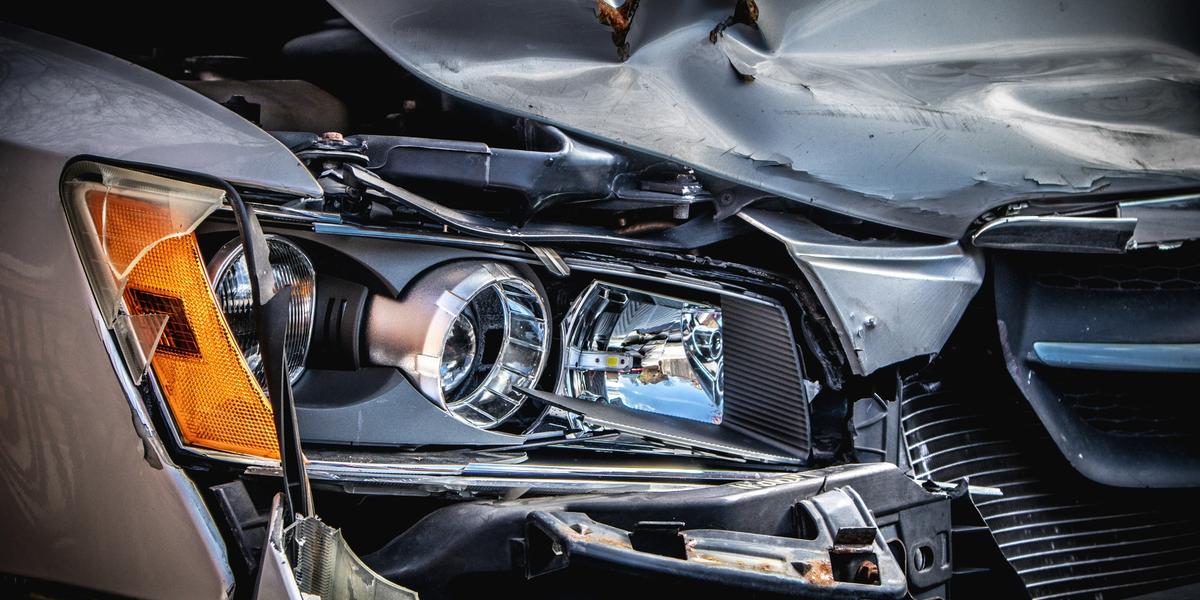
Every driver who purchases car insurance accepts a system built on a premise: if you cause an accident, your insurance pays for the harm you cause. The system works smoothly between insured drivers. It breaks down completely when the at-fault driver has no insurance, which happens in a startling number of accidents on US roads.
The Insurance Research Council estimates that roughly 12.6 percent of US drivers carry no auto insurance at all. In some states, the rate is closer to 20 to 25 percent. In any given accident, there is a meaningful statistical probability that the other driver is driving without coverage. If that uninsured driver causes the accident and you are injured or your vehicle is damaged, your recourse without uninsured motorist coverage is a lawsuit against someone who demonstrated by driving without insurance that they likely have no financial resources.
Uninsured and underinsured motorist coverage is the mechanism through which you protect yourself against this specific and very real risk. This guide explains exactly what the coverage provides, how it works with the rest of your policy, what limits to carry, and why most drivers should treat it as non-negotiable.
What Uninsured Motorist Coverage Actually Covers
Uninsured motorist coverage comes in two related but distinct forms. Uninsured motorist bodily injury, abbreviated UMBI, pays for your own medical expenses, lost wages, and pain and suffering when you are injured in an accident caused by an uninsured driver. It also typically covers passengers in your vehicle. In some states it even extends to pedestrian accidents involving uninsured drivers.
Uninsured motorist property damage, abbreviated UMPD, pays for damage to your vehicle and other property caused by an uninsured driver. This coverage is what compensates you for your smashed car when the person who hit it has no insurance. Without UMPD, your only options are using your own collision coverage (paying your deductible) or pursuing the uninsured driver personally.
Underinsured motorist coverage, abbreviated UIM, addresses a related but distinct situation: the at-fault driver has insurance, but their limits are insufficient to cover your actual damages. If you suffer $200,000 in medical expenses from an accident caused by a driver carrying $50,000 in bodily injury liability, your underinsured motorist coverage pays the gap between what their insurance pays and what your actual damages were, up to your UIM limits.
| Coverage Type | Pays For | Trigger | Deductible? |
|---|---|---|---|
| Uninsured motorist bodily injury | Your injuries; passengers' injuries | At-fault driver has no insurance | Usually no deductible |
| Uninsured motorist property damage | Damage to your vehicle | At-fault driver has no insurance | Sometimes; typically $200 to $300 |
| Underinsured motorist bodily injury | Your injuries exceeding at-fault driver's limits | At-fault driver's limits insufficient | Usually no deductible |
| Underinsured motorist property damage | Vehicle damage above at-fault driver's property damage limits | At-fault driver's property damage limits insufficient | Varies by state |
How UM Coverage Interacts with the Rest of Your Policy
Uninsured motorist bodily injury coverage is not the same as using your own health insurance. While health insurance covers your medical bills, UMBI also compensates you for lost wages, pain and suffering, and other non-medical damages that health insurance does not address. The combination of health insurance and UMBI provides more complete protection than either alone.
When both collision coverage and uninsured motorist property damage are available, as when a known uninsured driver causes damage to your vehicle, the UMPD coverage is typically the better mechanism to use. It generally does not include a deductible or includes a smaller deductible than collision, and it does not create an at-fault claim on your record.
The interaction between liability limits and UM limits matters for planning purposes. If you carry $100,000/$300,000 in bodily injury liability and only $25,000/$50,000 in UMBI, you are protecting others at four times the level you are protecting yourself. The asymmetry is difficult to justify; most insurance professionals recommend matching UM limits to liability limits as a best practice.
State Requirements and How They Vary
Uninsured motorist coverage is mandatory in approximately 22 states and the District of Columbia. In the remaining states, it is optional but strongly recommended. Some states require that UM limits match the liability limits on the policy; others allow any limit combination. Some states require UMBI and UMPD together; others require only UMBI.
Even in states where UM coverage is optional, choosing not to carry it is a financial risk that deserves explicit consideration rather than accidental omission. The premium for UM coverage is typically modest relative to the protection it provides: adding $100,000/$300,000 in UMBI coverage often costs $40 to $80 per year on top of the base premium.
Hit-and-run accidents create a specific UM coverage question. In most states, UM coverage applies to accidents caused by an identified uninsured driver. Some states also extend UM coverage to hit-and-run accidents where the at-fault driver is unknown, though this often requires that there be physical contact between the vehicles. The specific rules for hit-and-run coverage under UM vary by state.
Stacking: Getting More Protection from Your UM Coverage
Stacking is an option in some states that allows the UM limits on multiple vehicles in a policy to be combined for a single accident. If you have two vehicles on your policy, each with $100,000 UMBI limits, stacked coverage would provide $200,000 in UMBI protection for a single accident involving either vehicle.
Stacking is not available in all states, and where it is available it typically increases the premium for the UM coverage. The additional premium is often modest relative to the additional protection provided, particularly for households with multiple vehicles and significant financial exposure from potential serious injuries.
Some states also allow inter-policy stacking, which combines UM limits across multiple policies rather than just multiple vehicles on one policy. This option is less common and may not be available in your state, but it is worth asking your insurer about if you carry multiple policies with UM coverage.
Final Thoughts
Uninsured motorist coverage is not an optional enhancement for risk-tolerant drivers; it is protection against a specific and very common risk that the rest of your insurance portfolio does not address. The uninsured driver who causes your accident has left you with no practical recourse other than this coverage.
The premium for meaningful UM protection is modest relative to what it provides. Matching your UM limits to your liability limits, carrying both bodily injury and property damage components, and verifying that hit-and-run coverage is included where available creates the most complete protection available against this pervasive risk.
Do not let uninsured motorist coverage be the gap in your coverage structure. It is the one type of additional protection that most clearly addresses a risk entirely outside your control.
Frequently Asked Questions
Clarion Editorial Team
Editorial Research Team
Clarion Editorial Team creates plain-English educational content covering legal, insurance and finance topics for US and UK readers.
- Editorial Research
- Consumer Education
- Financial Literacy
Related Guides

Best Car Insurance Companies Ranked and Compared

Car Insurance After an Accident: What Happens to Your Rates

Car Insurance Discounts You Might Be Missing
