Does Home Insurance Cover Flooding?
Standard homeowner's insurance does not cover flood damage. This is one of the most costly misunderstandings in personal insurance. Understanding what flood insurance covers, who needs it, and how to get it protects you from one of the most financially devastating natural disasters.
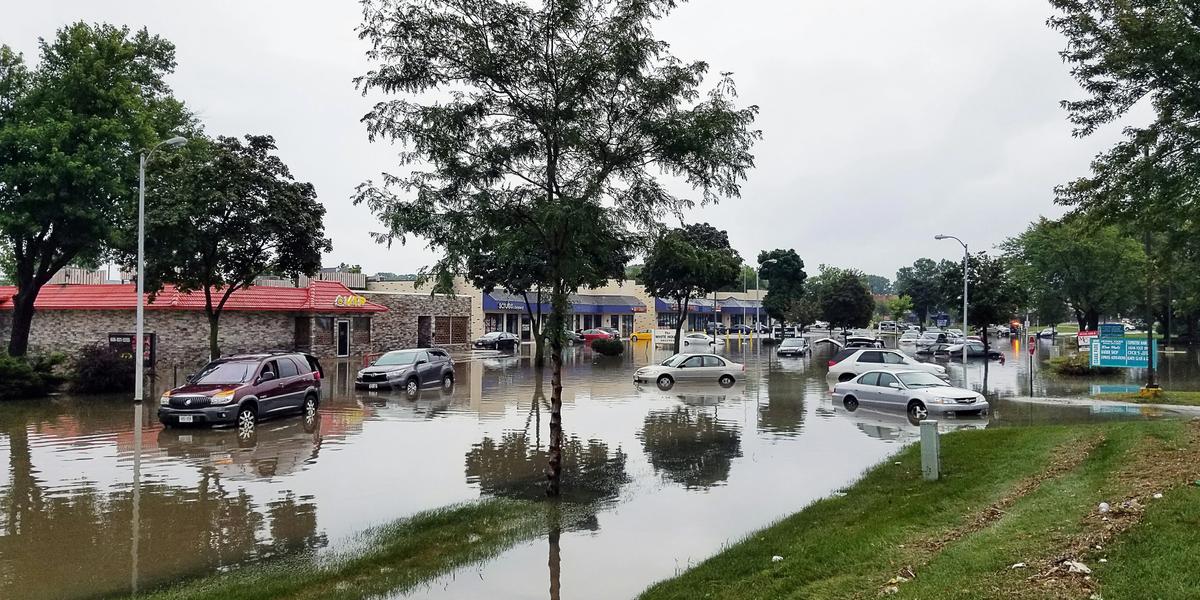
Flooding is the most common and most costly natural disaster in the United States. It affects every state, occurs in areas that are not designated high-risk flood zones, and causes average annual damages in the tens of billions of dollars. And yet the standard homeowner's insurance policy, the policy that most Americans believe protects their home from disaster, specifically excludes flood damage.
This exclusion is not a fine print technicality. It is a fundamental feature of how homeowner's insurance works. The standard HO-3 policy that most American homeowners carry covers water damage from certain internal sources, like a burst pipe or an overflowing bathtub, but explicitly excludes damage from flooding, meaning water that comes from outside the home and overflows from rivers, storm surges, or rainfall that accumulates and enters the structure.
This guide explains the flood exclusion clearly, what types of water damage are and are not covered under standard homeowner's policies, how flood insurance works through the National Flood Insurance Program and private alternatives, and who should have it.
The Standard Flood Exclusion: What It Actually Says
Every standard homeowner's insurance policy in the United States contains an explicit exclusion for flood damage. The exclusion is typically worded to exclude loss caused by flood, surface water, waves, tidal water, overflow of a body of water, spray from any of these sources, water or water-borne material below the surface of the ground, and water that backs up through sewers or drains or overflows from a sump pump. The breadth of this exclusion is often surprising to homeowners who assume their policy covers storm-related water damage.
The distinction that homeowner's policies make is between sudden and accidental water damage from internal sources, which is typically covered, and water damage that enters from outside the home or from rising water, which is not. A pipe that bursts and floods your basement is a covered peril in most homeowner's policies. A river that overflows its banks and floods your basement is not covered, regardless of how much damage results.
Sewer backup and water overflow from drains are also typically excluded from standard policies. Sewer backup coverage is available as an add-on endorsement to many homeowner's policies and is worth considering for homes in areas where heavy rainfall can overwhelm municipal sewer systems. It is a separate and distinct coverage from flood insurance.
| Water Damage Type | Covered by Standard HO Policy? | Coverage Source |
|---|---|---|
| Burst pipe flooding interior | Yes | Standard homeowner's property coverage |
| Overflowing bathtub or appliance | Yes | Standard homeowner's property coverage |
| Water from storm surge | No | Flood insurance required |
| River or creek overflow | No | Flood insurance required |
| Surface water accumulation from rain | No | Flood insurance required |
| Sewer backup | No (usually; endorsement available) | Sewer backup endorsement or flood insurance |
| Roof leak from storm damage | Yes (damage to roof may vary) | Standard homeowner's; wind damage coverage |
National Flood Insurance Program: How NFIP Works
The National Flood Insurance Program, administered by FEMA, is the primary source of flood insurance in the United States. Created in 1968 because private insurers would not profitably write flood coverage, the NFIP makes flood insurance available to communities that adopt FEMA-approved floodplain management regulations.
NFIP policies cover building property up to $250,000 and contents up to $100,000. Building coverage protects the structure itself and its mechanical systems. Contents coverage protects personal belongings inside the home. The coverage limits are the same regardless of where you live or what your property is worth, and for many homeowners with homes worth more than $250,000, the NFIP building limit is insufficient for a complete loss.
NFIP policies have a 30-day waiting period before coverage takes effect. This waiting period prevents people from buying flood insurance right before a forecast storm event and immediately filing a claim. Planning ahead and maintaining continuous coverage is essential, because flood risk can materialize very quickly and the 30-day waiting period means reactive purchasing offers no protection against an imminent event.
Private Flood Insurance: An Alternative to NFIP
Private flood insurance has become a meaningful alternative to NFIP coverage in recent years, offering higher limits, broader coverage, and sometimes more competitive pricing than the NFIP for properties in certain risk categories. Private flood insurers can offer building limits above the NFIP's $250,000 cap, which is important for higher-value homes that would be underinsured at NFIP maximums.
Private flood policies may also offer replacement cost coverage rather than actual cash value coverage, cover additional living expenses during displacement, have shorter or no waiting periods, and bundle coverage for building and contents in ways the NFIP does not. For homes where the NFIP's coverage structure is clearly inadequate, private flood insurance may provide substantially better protection.
The trade-off is that private flood insurance is not available everywhere, is not guaranteed to be renewed, and has less regulatory standardization than NFIP coverage. Private insurers can exit markets when risk profiles change, which creates continuity risk that the NFIP, backed by the federal government, does not present.
Who Needs Flood Insurance and Where to Get It
Federal law requires flood insurance for properties in FEMA-designated Special Flood Hazard Areas, also called high-risk or 100-year flood zones, when the property is financed with a federally backed mortgage. If your home is in a high-risk flood zone and you have a mortgage from a federally regulated or insured lender, flood insurance is mandatory, not optional.
But the mandatory purchase requirement covers only the highest-risk properties. FEMA estimates that approximately 20 percent of all flood claims come from properties outside high-risk flood zones, in areas that were not considered to require flood insurance. Floods do not respect zone boundaries, and properties in moderate and low-risk zones are far from immune.
Flood insurance is available from NFIP-approved insurance agents and through private flood insurance companies. Your existing homeowner's insurance agent can typically facilitate NFIP coverage as an additional policy. For higher-value homes where NFIP limits are insufficient, a broker with access to private flood carriers can present both NFIP and private options for comparison.
Final Thoughts
The flood exclusion in standard homeowner's insurance is one of the most significant coverage gaps in American personal insurance, and it affects properties in every state and climate. The assumption that homeowner's insurance covers flood damage is understandable but wrong, and it is a mistake that costs uninsured flood victims enormous financial losses every year.
If you are in a high-risk flood zone, flood insurance is mandatory and the requirement exists for good reason. If you are outside a designated high-risk zone, flood insurance is still worth evaluating based on your property's proximity to water, local drainage patterns, and the financial consequences of a flood loss you would have to absorb without coverage.
The 30-day waiting period means the time to get flood insurance is before you need it. Waiting for a forecast flood event to prompt action means the coverage will not apply.
Frequently Asked Questions
Clarion Editorial Team
Editorial Research Team
Clarion Editorial Team creates plain-English educational content covering legal, insurance and finance topics for US and UK readers.
- Editorial Research
- Consumer Education
- Financial Literacy
Related Guides

Condo Insurance: What Your HOA Covers and What You Need

Dog Bites and Home Insurance Liability Coverage

Earthquake Insurance: Do You Need It?
