Earthquake Insurance: Do You Need It?
Standard homeowner's insurance does not cover earthquake damage. Whether separate earthquake insurance makes sense depends on where you live, the value of your home, and your ability to absorb a catastrophic loss. Here is how earthquake insurance works and how to evaluate whether you need it.
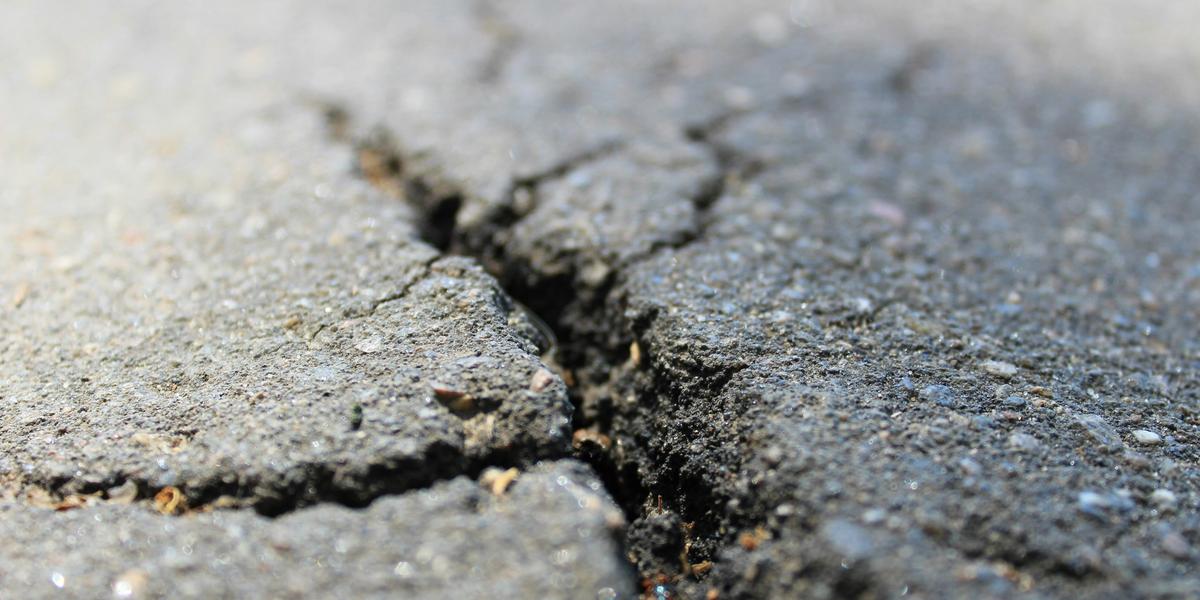
Earthquakes are among the most unpredictable and potentially catastrophic natural disasters, and they are among the disasters that standard homeowner's insurance most conspicuously does not cover. The exclusion applies universally: no standard homeowner's policy written in the United States includes earthquake coverage, and no amount of confusion about what a comprehensive policy should include changes this fact.
The geographic concentration of earthquake risk in the United States, primarily in California, the Pacific Northwest, Alaska, and parts of the New Madrid Seismic Zone in the central states, creates a natural question: if you do not live in a high-risk seismic zone, do you need to think about earthquake insurance at all? And if you do live in a high-risk zone, how does the coverage work and is the cost justified?
This guide explains what earthquake insurance covers, how California's earthquake insurance market differs from the rest of the country, how to evaluate whether the coverage makes sense for your specific situation, and the alternatives for homeowners who decide not to purchase it.
What Earthquake Insurance Covers
Earthquake insurance covers damage to your home's structure and personal property caused by earthquake shaking, including aftershocks in the days following the primary event. It typically covers the cost of rebuilding or repairing the structure, replacing personal belongings damaged or destroyed, and additional living expenses incurred when the home is uninhabitable during repairs.
Earthquake policies have their own deductibles, which are typically expressed as a percentage of the coverage limit rather than as a fixed dollar amount. Deductibles of 10 to 25 percent of the dwelling coverage limit are common, which means a $500,000 home with a 15 percent earthquake deductible carries a $75,000 deductible before insurance coverage begins. This high deductible structure means that moderate earthquake damage may fall entirely within the deductible, with insurance only responding to more severe losses.
What earthquake insurance specifically excludes includes flood damage, fire following earthquake in some policies though others cover this, landslide, and certain structural conditions that predate the earthquake. The interaction between earthquake and fire is particularly important in California, where post-earthquake fires have historically caused significant damage; verifying that fire following earthquake is covered is essential for California earthquake policyholders.
| Coverage Component | Typical Terms | Notes |
|---|---|---|
| Dwelling coverage | Replacement cost less high deductible | Deductible typically 10% to 25% of dwelling limit |
| Personal property | Actual cash value or replacement cost | Breakage of fragile items often excluded |
| Additional living expenses | Temporary housing during repairs | Typically 20% of dwelling limit maximum |
| Loss of use | Rental income if property is a rental | Only if rental is covered separately |
California's Earthquake Insurance Market
California accounts for the vast majority of earthquake insurance policies written in the United States, and the state has a unique insurance market structure. The California Earthquake Authority is a publicly managed, privately funded entity that provides residential earthquake insurance through participating insurance companies. CEA policies are available to any California homeowner who purchases homeowner's insurance from a CEA participating insurer.
Despite the well-documented seismic risk in California, earthquake insurance take-up rates remain remarkably low. Only about 13 percent of California homeowners carry earthquake insurance, a figure that has remained stubbornly low despite educational campaigns, major earthquake events, and the clear potential for catastrophic uninsured losses.
The low take-up rate reflects several factors: the high cost of earthquake insurance in a high-risk state, the high deductibles that make the coverage feel less valuable for moderate losses, the psychology of underestimating low-probability high-consequence risks, and the common but financially dangerous assumption that federal disaster assistance will be adequate if a major earthquake strikes.
Evaluating Whether You Need It: The Risk and Financial Analysis
The decision to purchase earthquake insurance involves two separate questions: how significant is the earthquake risk in your specific location, and if a major earthquake caused serious damage or total destruction of your home, could you absorb that loss without insurance?
Seismic risk varies enormously even within high-risk states. A home built on solid bedrock in San Francisco faces different actual risk than one built on Bay mud in a liquefaction zone, even though both are in the same general geographic area. USGS seismic hazard maps provide location-specific risk data that is more meaningful than state-level generalization. Higher seismic hazard combined with vulnerable soil conditions and older home construction creates the highest actual earthquake risk.
The financial analysis asks whether you could absorb the cost of rebuilding your home without insurance if it were severely damaged or destroyed. A homeowner with the financial resources to replace a $600,000 home without catastrophic personal financial consequences faces a different calculus than one for whom the home equity is the primary financial asset. For most homeowners, the home represents their largest asset and they cannot absorb a total loss without insurance.
Mitigation: Reducing Earthquake Risk and Insurance Cost
Seismic retrofitting can reduce both the actual earthquake damage risk to your home and the cost of earthquake insurance. Bolting the home to its foundation, adding cripple wall bracing in the crawl space, and securing the water heater and other large appliances reduce the specific failure modes most common in California earthquakes. Retrofitted homes may qualify for lower earthquake insurance premiums from some carriers.
Homes built after local seismic building codes were updated, typically in the 1980s and later depending on the jurisdiction, are generally better constructed for earthquake resistance than older homes. If you own an older wood-frame home with a raised foundation, a structural assessment from an engineer familiar with seismic retrofitting can identify cost-effective improvements that meaningfully reduce risk.
Beyond structural retrofitting, securing heavy furniture and appliances, storing fragile and valuable items in closed and padded storage, and maintaining adequate emergency supplies are non-insurance preparations that reduce the consequence of a major earthquake even if you decide not to purchase earthquake insurance.
Final Thoughts
Earthquake insurance addresses one of the most significant uninsured risks in American homeownership, particularly for the millions of people who own homes in seismically active regions and assume without verification that their homeowner's policy provides some protection against earthquake damage.
The decision whether to purchase earthquake insurance is genuinely difficult because it involves weighing a low-probability catastrophic loss against a certain and sometimes substantial annual premium. But the analysis should be made explicitly and honestly rather than by default, particularly for homeowners in high-risk zones whose most significant financial asset is a home that standard insurance will not rebuild.
Check your seismic risk. Assess your financial ability to absorb a major loss. Review the specific coverage and deductible terms. And make the decision based on your actual situation rather than on the assumption that someone else will address the consequences of an event that may never happen but could be financially devastating if it does.
Frequently Asked Questions
Clarion Editorial Team
Editorial Research Team
Clarion Editorial Team creates plain-English educational content covering legal, insurance and finance topics for US and UK readers.
- Editorial Research
- Consumer Education
- Financial Literacy
Related Guides

Condo Insurance: What Your HOA Covers and What You Need

Does Home Insurance Cover Flooding?

Dog Bites and Home Insurance Liability Coverage
