Best Motorcycle Insurance Companies Compared
Motorcycle insurance is a specialized market where the best companies offer coverage features specific to how motorcycles are actually used and what their riders actually need. Comparing the top providers on custom parts coverage, roadside assistance, and genuine rider experience gives you the framework to choose well.
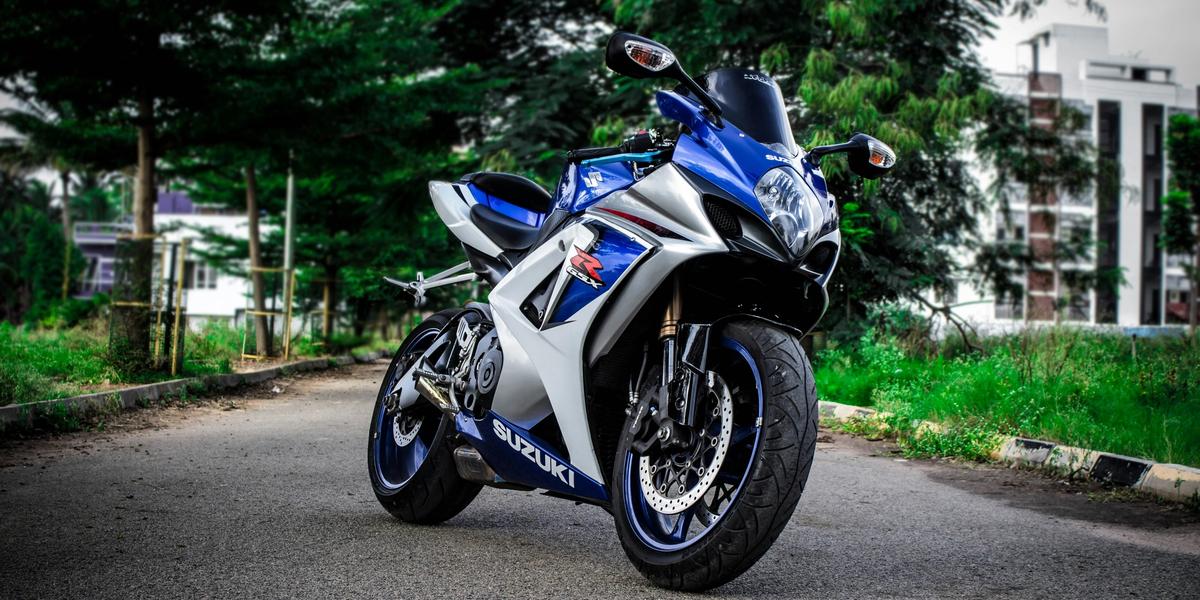
Motorcycle insurance exists in a specialized niche of the personal insurance market that rewards comparison shopping more than almost any other category. The spread between the best and worst available premiums for the same bike and rider profile can be substantial, and the coverage features that matter to serious riders, including custom parts and equipment coverage, total loss protection for newer bikes, and rider-specific roadside assistance, vary significantly between providers.
The leading motorcycle insurance companies are not identical to the leading auto insurance companies, though some of the largest auto insurers have competitive motorcycle products. Companies like Progressive, Markel, and Dairyland have specifically built their reputations in the motorcycle market in ways that distinguish them from the standard auto market giants.
This guide compares the leading motorcycle insurance providers on the features that matter most to riders, explains what coverage is actually necessary, and identifies which companies excel in which aspects of motorcycle coverage.
The Leading Motorcycle Insurance Providers
Progressive is the largest motorcycle insurer in the United States and offers coverage for virtually every type of motorcycle including cruisers, sport bikes, touring bikes, dirt bikes, ATVs, and custom motorcycles. Their coverage options include original equipment manufacturer parts coverage, custom parts and equipment coverage up to $30,000, total loss protection for bikes under two years old, and roadside assistance specifically designed for motorcycles. The breadth of their motorcycle coverage and the competitive pricing for most rider profiles makes them a natural starting point for any motorcycle insurance comparison.
Markel Specialty is a wholesale market specialist that many independent agents use for motorcycle placements that standard carriers are less competitive on. They specialize in coverage for high-performance bikes, classic motorcycles, and riders with imperfect driving records. For sport bike owners and for riders whose profiles do not fit the standard market's preferred categories, Markel's specialty approach often produces coverage that standard carriers either decline or price uncompetitively.
Nationwide and Foremost (a Farmers subsidiary) round out the tier of companies with specifically developed motorcycle products. Both offer agreed value coverage options, which pay the full agreed amount rather than depreciated actual cash value for a total loss, and both have coverage options for vintage and classic motorcycles that are priced and valued differently from modern bikes.
| Company | Best For | Custom Parts Coverage | Agreed Value Option |
|---|---|---|---|
| Progressive | Most riders; wide variety of bikes | Up to $30,000 | Yes |
| Markel | Sport bikes; high-performance; imperfect records | Yes | Yes |
| Nationwide | Cruisers; touring bikes; riders bundling with home/auto | Yes | Yes |
| Foremost | Classic and vintage motorcycles | Yes | Yes; classic bikes |
| Dairyland | Non-standard risks; imperfect records | Yes | Limited |
Coverage Features That Matter to Motorcycle Riders
Custom parts and equipment coverage is one of the most important distinguishing features in motorcycle insurance. Many riders invest significantly in aftermarket exhaust systems, custom handlebars, upgraded seats, performance components, and aesthetic modifications. Standard motorcycle policies often cover only factory original equipment, leaving custom parts uninsured without a specific endorsement. Coverage limits for custom parts range from $3,000 to $30,000 at different carriers, and riders with significant customization need to verify that their policy addresses the full value of their modifications.
Total loss protection for newer motorcycles addresses the depreciation gap that is even more pronounced for motorcycles than for cars. A new motorcycle that is totaled or stolen in its first year may have depreciated significantly below the purchase price when actual cash value is calculated. Total loss protection, available at Progressive and some other carriers for bikes under two years old, pays the full original purchase price rather than the depreciated ACV for a total loss in the early years of ownership.
Roadside assistance for motorcycles is meaningfully different from roadside assistance for cars. Motorcycle-specific roadside programs cover towing to the nearest dealer, coverage for trailers and sidecars, and in some cases trip interruption benefits when a breakdown occurs far from home. These features are not always present in auto roadside assistance programs that have been extended to cover motorcycles as an afterthought.
How Motorcycle Type and Rider Profile Affect Premiums
The type of motorcycle is the largest single factor in motorcycle insurance pricing. Sport bikes and supersport motorcycles generate significantly more claims per mile than cruisers and touring bikes, reflecting the performance capabilities, the demographics of sport bike riders, and the higher repair costs when high-performance components are damaged. A 23-year-old on a 1000cc sport bike will pay dramatically more than a 45-year-old on an equivalent displacement cruiser.
Rider experience matters significantly in motorcycle underwriting. A rider with 10 years of experience and a clean record is a fundamentally different risk than a newly licensed rider in their first year. Completing the Motorcycle Safety Foundation basic rider course is recognized by most motorcycle insurers as a legitimate risk improvement that qualifies for a discount, and for new riders it also produces the foundational skills that reduce actual accident risk.
Annual mileage and storage arrangements affect pricing in ways similar to auto insurance. A motorcycle ridden only on weekends during summer months presents different risk than one commuted on daily year-round. Secure indoor storage reduces theft and weather damage risk. Most insurers ask about storage arrangements and annual mileage as part of the underwriting process.
Lay-Up Periods and Off-Season Coverage
Riders in northern states who store their motorcycles for winter months have the option at most carriers to suspend collision and comprehensive coverage, or in some cases all coverage except comprehensive, during the storage period. This lay-up provision reduces the annual premium for riders who genuinely do not ride during winter months.
The mechanics of lay-up vary by carrier. Some require the motorcycle to be specifically taken off coverage and reinstated at the beginning of the riding season. Others allow a declared non-riding period with automatic rate adjustment. Whichever approach your carrier uses, understanding the specific process prevents accidental gaps in coverage at either end of the riding season.
Comprehensive coverage during storage makes sense to maintain even when suspending collision, because comprehensive covers theft, fire, and weather damage that can occur to a parked motorcycle regardless of season. A hailstorm that damages a bike in winter storage is a comprehensive claim, and suspending comprehensive during storage eliminates that protection at a time when the bike is not generating the riding risk that the suspension is designed to address.
Final Thoughts
Motorcycle insurance is worth comparing carefully because the variation in both price and coverage quality across the market is significant. The features that matter most to riders, custom parts coverage, total loss protection for newer bikes, and motorcycle-specific roadside assistance, are present at different levels at different carriers, and finding the right combination requires looking beyond the premium alone.
Work with an independent agent who places motorcycle coverage regularly, or use a comparison tool that includes the specialty motorcycle market carriers alongside the standard ones. The right policy for a custom cruiser is different from the right policy for a sport bike, which is different again from the right policy for a vintage motorcycle.
Get covered before you ride. And get the right coverage, not just any coverage.
Frequently Asked Questions
Clarion Editorial Team
Editorial Research Team
Clarion Editorial Team creates plain-English educational content covering legal, insurance and finance topics for US and UK readers.
- Editorial Research
- Consumer Education
- Financial Literacy
Related Guides

Best Boat and Watercraft Insurance Compared

Best Insurance Companies for Claims Service

Best Insurance for High-Value Homes
