Home and Auto Bundle Insurance: Best Companies and Discounts
Bundling home and auto insurance with the same company is one of the most reliable ways to reduce both premiums, but the discount varies significantly between insurers and the lowest bundled price is not always with the insurer who offers the largest discount percentage. Here is how to compare bundles correctly.
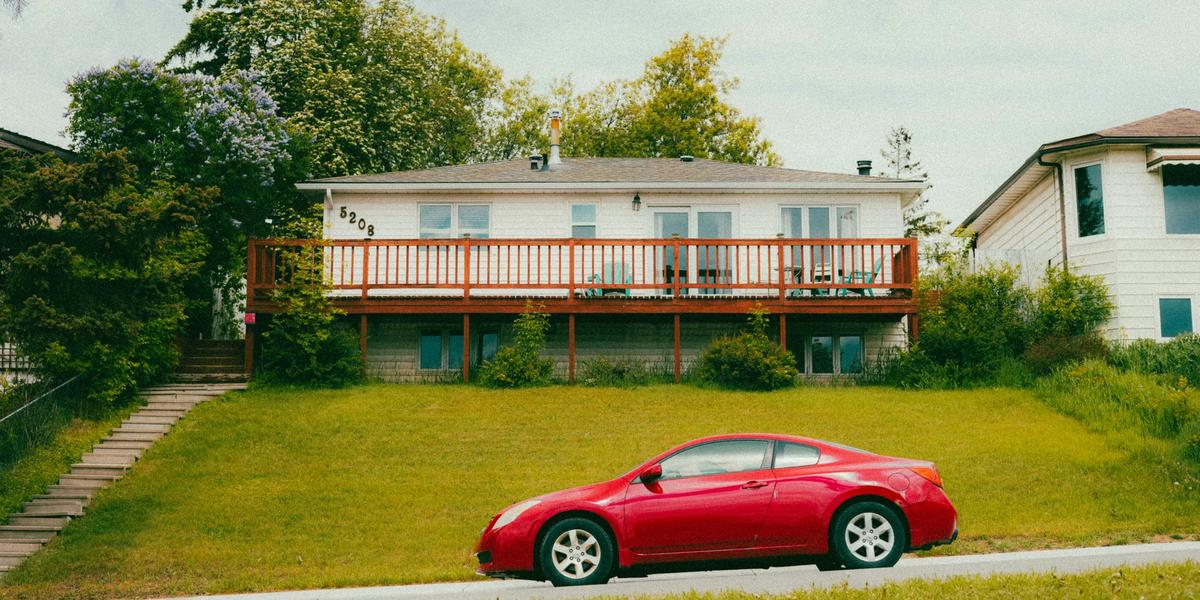
Bundling home and auto insurance is one of the most commonly recommended money-saving strategies in personal insurance, and for good reason. Most major insurers offer meaningful discounts, typically 5 to 25 percent off both premiums, for customers who consolidate their coverage with a single company. But the bundling conversation is often oversimplified in ways that lead consumers to leave money on the table.
The largest bundling discount does not always produce the lowest total premium. An insurer offering 20 percent off a high base price may cost more than one offering 10 percent off a lower base price. The relevant comparison is the actual bundled dollar amount after all discounts, not the discount percentage alone.
This guide explains how bundling discounts work, which companies offer the most competitive bundled pricing, and how to evaluate whether bundling with your current insurer or switching to a new bundler produces the best outcome.
How Bundling Discounts Actually Work
Bundling discounts are applied to one or both policies when a customer carries both home and auto coverage with the same insurer. The discount percentage is typically applied to the policy's base premium before other discounts, and the combined effect of bundling with other applicable discounts can produce significantly lower total premium than any single discount alone.
The discount varies by company, by state, and by the specific combination of home and auto policies being bundled. A company that offers 25 percent bundling in one state may offer only 10 percent in another. A homeowner bundling a standard home policy with a standard auto policy may receive a different discount percentage than one bundling a high-value home with multiple vehicles.
Administrative benefits beyond the discount also have value. A single insurer relationship simplifies billing, reduces the number of renewal conversations required annually, and in the event of a claim involving both home and auto (such as a vehicle stored in a garage damaged by a house fire), simplifies the coordination of coverage.
| Company | Typical Bundle Discount | Best Bundling Market | Coverage Quality |
|---|---|---|---|
| State Farm | Up to 17% | Most states; strong agent network | Above average |
| Allstate | Up to 25% | Most states; digital and agent | Average |
| Farmers | Up to 20% | Western states; specialty markets | Average |
| Liberty Mutual | Up to 20% | Most states; digital-forward | Average |
| Amica | Up to 15% | Most states; mutual company | Excellent |
| Erie Insurance | Up to 25% | 12 states; regional excellence | Above average |
The Companies With the Most Competitive Bundled Pricing
State Farm is the most widely selected bundler in the United States, combining competitive base pricing with a meaningful bundling discount and one of the strongest agent networks for in-person service. Their multi-policy discount applies to both the home and auto premium, and the combination with other available discounts like claims-free, new home, and auto safety features can produce total premiums that are among the most competitive in the standard market.
Amica Mutual, while offering a smaller bundling discount percentage than some competitors, produces among the highest overall customer satisfaction outcomes of any bundler because their base product quality, particularly their claims handling, is consistently rated among the best in the industry. For consumers who weight claims quality alongside price, Amica is worth comparing even if the discount percentage is smaller.
Erie Insurance, in the 12 states where it operates, produces consistently competitive bundled pricing alongside some of the best customer satisfaction scores in the industry. Erie's Rate Lock feature, which prevents premium increases between renewals, combined with their bundling discount creates predictable, competitive pricing for customers who consolidate with Erie.
How to Compare Bundled Pricing Correctly
The correct comparison for bundled insurance is the total annual premium for home plus auto together, after all applicable discounts, from each company being evaluated. Present each company with the same home coverage specifications and the same auto coverage specifications and request the bundled total. Do not compare discount percentages; compare dollar totals.
Also compare the unbundled alternative: what would the best separate home insurer and the best separate auto insurer charge, combined, relative to the best bundler's combined price? In some markets and for some profiles, the optimal home insurer and the optimal auto insurer are different companies, and the combined cost of two specialized policies beats the bundled cost from a single company.
The quality comparison alongside the price comparison is also important. A bundle with an insurer whose claims handling is mediocre may cost more in outcome terms than a slightly more expensive bundle with an insurer known for fair and efficient claims. For home insurance especially, where claims can be large and complex, the quality dimension deserves weight in the comparison.
When Not to Bundle: Situations Where Split Coverage Is Better
Bundling is not always optimal. Some specialized situations produce better outcomes with coverage from different specialists. A classic car owner may find that a specialty classic car insurer provides better agreed value coverage for the car than a bundled auto policy, even at a higher premium, while the home coverage with a different insurer is still competitive.
High-value homeowners may find that Chubb or AIG Private Client provides superior home coverage compared to what any standard bundler offers, and that the home coverage quality improvement is worth the loss of the bundling discount on the auto policy. In these cases, the right answer is clearly superior home coverage from a specialty carrier and separate competitive auto coverage rather than a bundled standard market option.
Renters insurance is the most cost-efficient bundle in personal insurance, but the renters premium is small enough that the bundling discount is also small in dollar terms. For renters who already have auto insurance, adding renters coverage from the same insurer is convenient and produces a small discount, but the absolute dollar savings are modest relative to the coverage benefit.
Final Thoughts
Bundling home and auto insurance is one of the most reliable premium reduction strategies in personal insurance, but it requires comparing total bundled premiums rather than discount percentages. The company with the largest discount is not necessarily the company with the lowest total bundled cost.
Run the comparison at each renewal: what does the best bundler charge for both policies combined, and how does that compare to the best separate policies from two different specialists? The answer changes as your situation changes and as the market evolves.
When bundling makes sense, it provides a straightforward, meaningful, and ongoing premium reduction. When it does not make sense because specialized coverage from two different companies produces better total outcomes, the right answer is those two separate policies.
Frequently Asked Questions
Clarion Editorial Team
Editorial Research Team
Clarion Editorial Team creates plain-English educational content covering legal, insurance and finance topics for US and UK readers.
- Editorial Research
- Consumer Education
- Financial Literacy
Related Guides

Best Boat and Watercraft Insurance Compared

Best Insurance Companies for Claims Service

Best Insurance for High-Value Homes
