Brain Injury Claims After an Accident: A Complete Legal Guide
Traumatic brain injury is one of the most serious and legally complex consequences of accident injuries. This guide explains how TBI is diagnosed, why these cases require specialized legal approach, and how to build a claim that reflects the full lifetime impact of your injury.
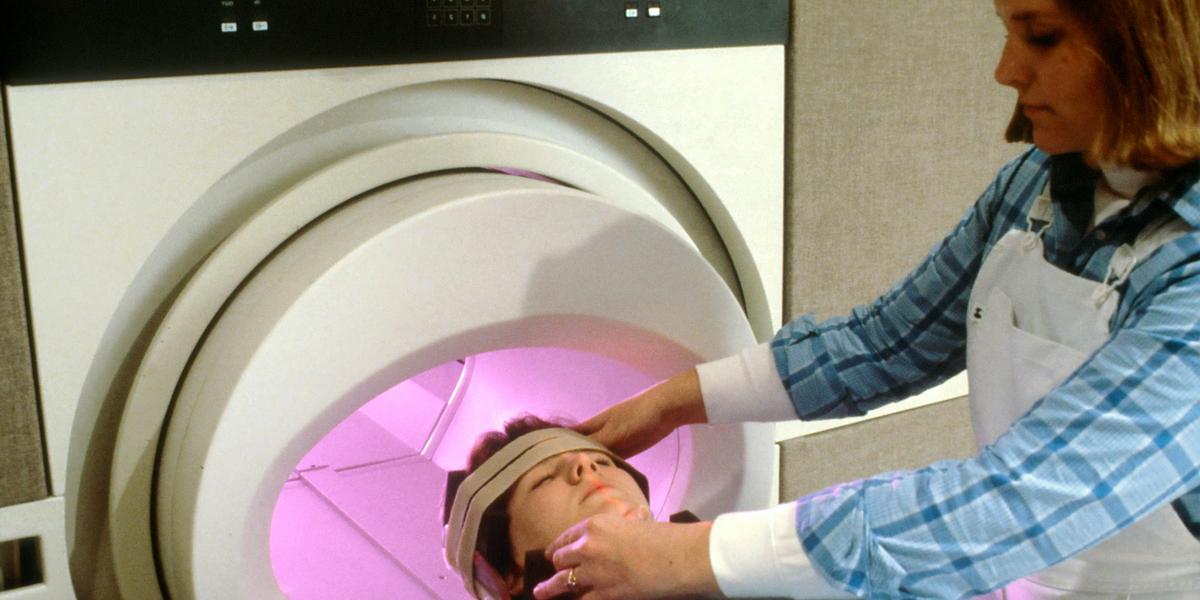
Traumatic brain injury changes lives in ways that are often invisible to the outside world but profound to the person living them. The difficulty concentrating, the memory lapses, the personality changes, the crushing headaches, and the emotional volatility that can follow a TBI are not signs of weakness or imagination. They are the documented, neurologically verifiable consequences of physical trauma to the brain.
Yet TBI cases are some of the most contested in personal injury law precisely because the most common form, mild TBI or concussion, frequently does not appear on standard imaging. The MRI looks normal, and the insurance company's argument writes itself: if there is nothing visible, how can there be a real injury? The answer requires understanding what modern neuroscience knows about concussion and what diagnostic tools are available beyond the CT scan.
This guide covers the full medical and legal landscape of TBI claims: how the injury is properly documented, why these cases demand specialized legal expertise, and how the long-term nature of many TBI consequences must be captured in a damages demand that looks decades into the future.
How TBI Is Classified and Why It Matters for Your Claim
Traumatic brain injuries are classified by severity using the Glasgow Coma Scale and related measures. Severe TBI involves extended loss of consciousness and is associated with significant structural brain damage visible on imaging. Moderate TBI involves a shorter period of unconsciousness. Mild TBI, the most common category, encompasses concussion, which may involve very brief or no loss of consciousness at all.
This classification matters legally because mild TBI cases face the most skepticism from insurers and are most in need of sophisticated medical documentation to be credible. The neurological science of concussion has advanced significantly in recent years, and the imaging technologies available to document brain changes in mild TBI cases have far outpaced the understanding that most insurance adjusters bring to these claims.
Diffusion tensor imaging, which maps white matter tract integrity in the brain, can reveal changes from concussion that are completely invisible on standard MRI. Functional MRI shows patterns of brain activation during cognitive tasks. Neuropsychological testing provides objective, quantitative measurement of cognitive impairment across multiple domains. These tools, applied by qualified experts, can transform a contested mild TBI claim into a documented and defensible one.
| Diagnostic Tool | What It Detects | Evidentiary Value in TBI Claims |
|---|---|---|
| Standard CT | Gross structural damage, bleeding | Baseline, but misses most mild TBI |
| Standard MRI | More sensitive than CT, but limited for mild TBI | Moderate |
| Diffusion tensor imaging | White matter tract damage | High, detects mild TBI not visible on standard imaging |
| Functional MRI | Brain activation patterns | High, shows functional impairment objectively |
| Neuropsychological testing | Cognitive function across domains | Very high, quantitative and standardized |
Long-Term Consequences and Future Damages
The long-term consequences of TBI must be projected and quantified in your legal claim because a settlement reached today is final, even if your condition deteriorates years from now. Research has documented that moderate to severe TBI is associated with increased risk of neurodegenerative disease, shortened life expectancy, and substantially elevated rates of psychiatric disorders. These risks must be factored into future damages projections.
Life care planning is the discipline that makes these projections concrete and legally defensible. A certified life care planner works with your treating physicians to project every medical, therapeutic, and personal care need you will have over your life expectancy, then assigns costs to each category. A forensic economist converts those future costs to their present value. The resulting analysis is the damages architecture for the future component of your claim.
Vocational rehabilitation assessment addresses the impact of TBI on your earning capacity. Cognitive impairments that reduce processing speed, affect memory and concentration, or impair executive function can fundamentally change what kinds of work you are capable of performing and at what compensation level. A vocational expert who has assessed hundreds of TBI patients can articulate these consequences in terms that juries and adjusters understand and credit.
Building a Credible TBI Case Against a Skeptical Insurer
The narrative your case tells must connect the accident to the brain injury and the brain injury to your specific functional limitations with unbroken, credible causation. Every gap in treatment, every inconsistency in your account, and every pre-existing condition the insurer can invoke will be used to challenge that narrative. Your attorney's job is to close the gaps and counter the challenges before they are raised.
Document your daily functional limitations in a detailed journal from the earliest possible date after the injury. Medical records describe diagnoses; your journal describes life. The difficulty following a conversation, the inability to remember your children's activities, the frustration of losing the thread of a thought midsentence, these details are what make TBI real to a jury and what support a substantial non-economic damages claim.
Anticipate the defense expert. In serious TBI cases the insurer will retain their own neurological expert to contest your diagnosis, minimize your impairment, and project a rosier prognosis than your experts do. Your attorney needs to understand the defense expert's likely arguments, challenge their methodology and assumptions in deposition, and prepare your experts to rebut those arguments clearly and persuasively at trial.
Final Thoughts
Traumatic brain injury cases are some of the most important and most demanding in personal injury law. The stakes are high because the injuries are serious and because the future consequences of brain trauma extend for decades. The evidentiary challenges are real because mild TBI requires sophisticated diagnostic support to be credible against a well-resourced defense.
Every element of a successful TBI claim, the diagnostic record, the life care plan, the vocational assessment, the neuropsychological testing, requires specialized expertise and careful coordination. This is not a case type where general legal practice is sufficient. Seek attorneys with specific TBI litigation experience.
Your brain injury is real. Your legal claim for it can be strong. The path from injury to fair compensation requires the right team, the right evidence, and the persistence to see the process through.
Frequently Asked Questions
Clarion Editorial Team
Editorial Research Team
Clarion Editorial Team creates plain-English educational content covering legal, insurance and finance topics for US and UK readers.
- Editorial Research
- Consumer Education
- Financial Literacy
Related Guides

What to Do Immediately After a Car Accident: A Step-by-Step Legal Guide

How Much Is My Car Accident Settlement Worth?

How to File a Personal Injury Claim: Complete Step-by-Step Guide
