Rear-End Collision Claims: Who Is at Fault and What You Can Recover
Rear-end collisions are presumed to be the trailing driver's fault in most cases, but the legal reality is more nuanced than that. This guide explains when liability shifts, how whiplash claims work, and how to build the strongest possible case.
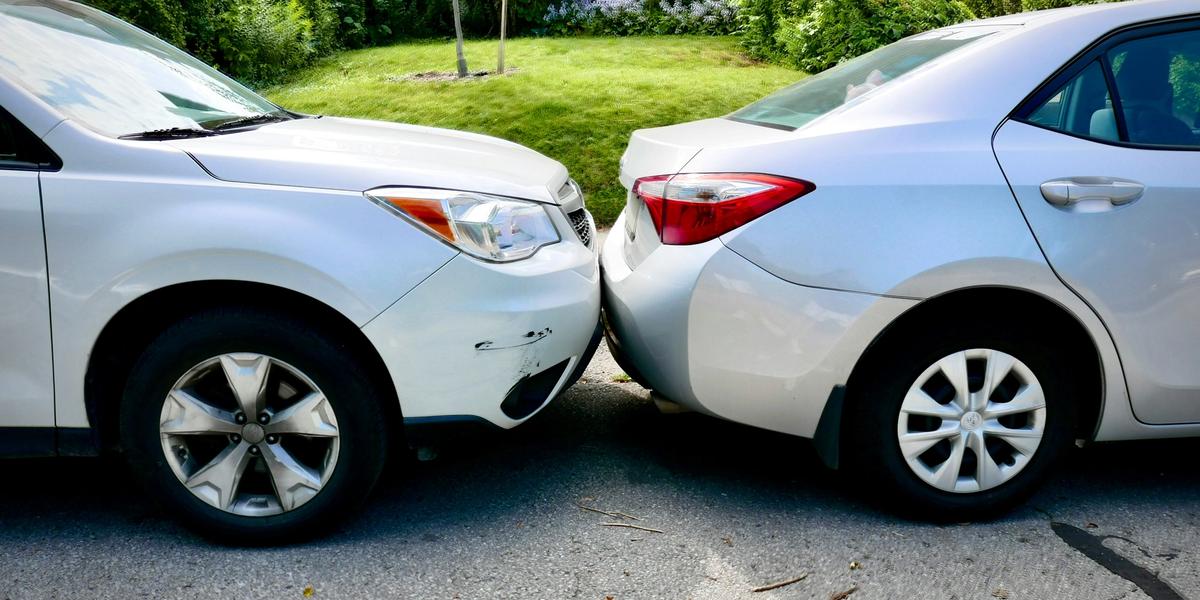
In the popular understanding of traffic law, rear-end collisions are simple: the driver who hits from behind is always at fault. This presumption has a genuine basis in law, but it is a presumption, not an absolute rule, and understanding the difference matters a great deal if you are the driver who was rear-ended and someone is trying to shift blame your way.
What makes rear-end collisions legally interesting, beyond the liability question, is the injury they so commonly cause. Whiplash, the rapid forward and backward movement of the head that occurs during rear impact, can cause cervical spine injuries that persist for months or years and that insurance companies routinely dismiss or minimize. Knowing how to document and substantiate these injuries is as important as understanding who is legally at fault.
This guide covers both dimensions: the liability framework for rear-end collisions and the evidentiary strategies for building a complete damages case when the injuries are real but not obvious on standard imaging.
The Legal Presumption and Its Exceptions
The law in most jurisdictions creates a rebuttable presumption that the trailing driver in a rear-end collision was negligent. The reasoning is straightforward: a driver who strikes the vehicle ahead either was not maintaining a safe following distance, was not paying adequate attention to the road ahead, or failed to react appropriately to visible traffic conditions. All of these are independent failures of the duty of care every driver owes.
This presumption can be rebutted by evidence of specific conduct by the lead driver. An abrupt and unexplained stop with no traffic reason. A sudden and dangerous lane change that placed the trailing driver with no meaningful reaction time. A mechanical failure such as brake lights that were not working. A driver who reverses into traffic. Each of these scenarios introduces facts that can shift or apportion liability.
Comparative fault frequently enters rear-end collision cases when the facts do not fit the simple narrative of a distracted trailing driver. In states that apply comparative negligence, both drivers' conduct is evaluated and liability is apportioned by percentage. Even if you were the trailing driver, evidence of the lead driver's abrupt or unreasonable stop can reduce the damages you owe.
| Scenario | Typical Liability Result | Relevant Evidence |
|---|---|---|
| Tailgating trailing driver | Trailing driver fully liable | Following distance, dashcam, skid marks |
| Lead driver sudden brake with no traffic reason | Possible comparative fault | Witness accounts, dashcam footage |
| Lead driver's brake lights not working | Lead driver shares liability | Vehicle inspection, repair records |
| Lead driver cuts off trailing driver | Possible comparative fault | Dashcam, witness testimony |
| Chain reaction, three or more vehicles | Middle driver may be dually liable | Each collision analyzed separately |
Whiplash: Understanding and Documenting the Most Common Rear-End Injury
Whiplash is not a minor or trivial injury, though insurance companies often treat it as such. The rapid acceleration and deceleration of the cervical spine during a rear impact can cause microtears in muscles, tendons, and ligaments that produce pain, stiffness, headaches, and neurological symptoms for months or years. A significant percentage of whiplash patients develop chronic pain syndromes that affect their quality of life and ability to work long-term.
The challenge with whiplash is that it often does not appear on standard imaging. An X-ray or even a basic MRI may show no structural abnormality while the patient experiences genuine, significant pain. This creates space for insurers to argue that the injury is exaggerated or fabricated. The counter to this argument is thorough, consistent medical documentation from qualified providers.
Seek evaluation from your primary care physician immediately and follow their referrals to specialists. Physical therapy records, specialist notes, and pain management documentation create the continuous, consistent medical narrative that supports your claim. A personal pain journal documenting your daily experience adds the subjective dimension that medical records alone cannot fully capture.
Building a Complete Rear-End Collision Claim
The absence of skid marks from the trailing vehicle is often compelling circumstantial evidence of inattentive driving. A driver who was paying attention would have seen traffic slowing and applied brakes before impact. No braking before collision suggests distraction. Document the condition of the road surface and note whether there were tire marks from either vehicle.
Property damage photographs serve double duty in rear-end cases. They establish the force of the impact, which in turn is relevant to the severity of the injuries. Insurers sometimes argue that minor vehicle damage means minor injury, but biomechanical research consistently shows that even low-speed impacts can cause significant cervical spine trauma. If the insurer uses your vehicle damage to minimize your injuries, your medical expert can explain why that argument is not medically sound.
Do not give a recorded statement to the adverse insurer before consulting an attorney. Adjusters are skilled at eliciting statements that minimize injuries or assign partial fault. Even an innocent explanation of what happened can be used against you. Your attorney will handle all communications with the insurer once you are represented, protecting you from this risk.
Final Thoughts
Rear-end collisions look simple from the outside. The person who hit you is at fault, you are injured, and compensation should follow. In practice, the path from that premise to a fair settlement requires navigating liability arguments, overcoming insurer skepticism about soft-tissue injuries, and building a medical record that tells the complete story of your harm.
The steps are clear: document the scene, seek immediate medical care, follow through with all recommended treatment, keep detailed records, and consult an attorney before engaging substantively with the insurer. None of these steps is particularly complicated, but each one matters to the final outcome.
You were rear-ended. You are entitled to be made whole.
Frequently Asked Questions
Clarion Editorial Team
Editorial Research Team
Clarion Editorial Team creates plain-English educational content covering legal, insurance and finance topics for US and UK readers.
- Editorial Research
- Consumer Education
- Financial Literacy
Related Guides

What to Do Immediately After a Car Accident: A Step-by-Step Legal Guide

How Much Is My Car Accident Settlement Worth?

How to File a Personal Injury Claim: Complete Step-by-Step Guide
