Home Insurance and Home-Based Businesses: Coverage Gaps
Running a business from your home creates insurance gaps that most standard homeowner's policies do not address. Understanding exactly what is and is not covered when you work from home is essential before a claim reveals the gap at the worst possible moment.
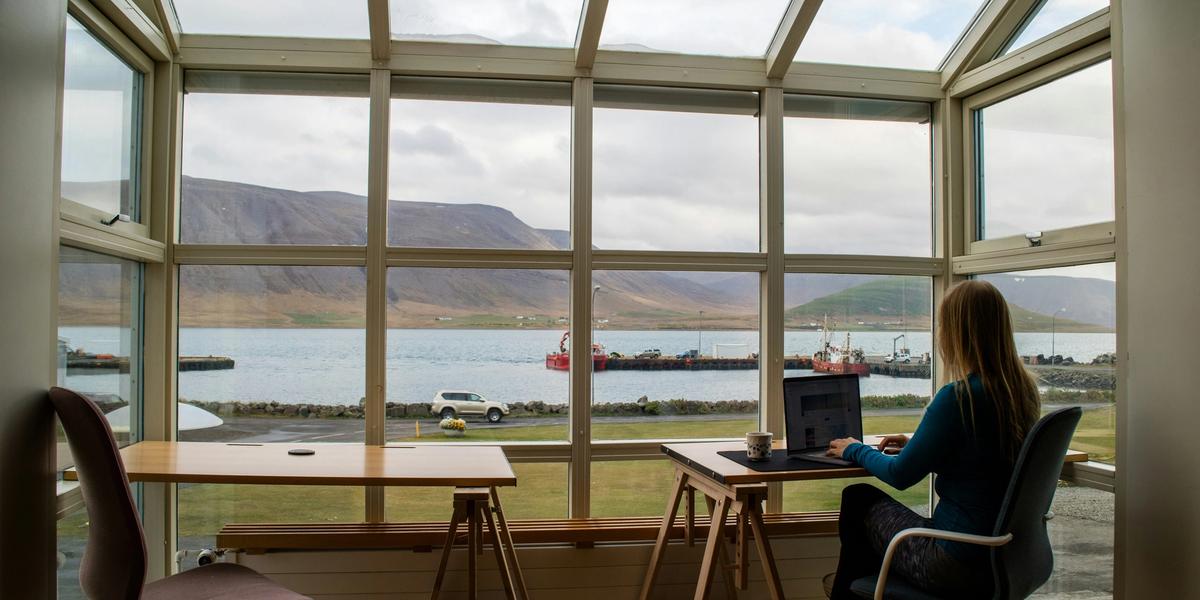
The shift toward remote work and home-based business has been one of the defining economic trends of recent years. Millions of Americans now operate businesses from their homes, whether as full-time entrepreneurs, freelancers, consultants, or remote employees conducting their employer's business from their personal space. Most of them have no idea that these business activities are specifically excluded from their homeowner's insurance coverage.
The homeowner's insurance policy was designed for residential living, not for commercial activity. When business activities are introduced into the home, the insurance coverage that was adequate for a purely residential use becomes inadequate in specific and sometimes significant ways. The gaps affect both property coverage for business equipment and inventory, and liability coverage for business-related incidents.
This guide explains precisely what gaps home-based business activities create in standard homeowner's insurance, what the options are for closing those gaps, and how to evaluate which coverage solution is right for your specific business situation.
The Property Coverage Gap for Business Equipment
Standard homeowner's policies typically limit coverage for business personal property to $2,500 or less. This limit applies to equipment, inventory, and supplies used for business purposes kept at the home. For a freelance writer with a laptop and a desk setup, this limit may be adequate. For a photographer with $20,000 in camera equipment, a jewelry designer with valuable inventory, or a small manufacturer with production equipment, the limit creates a serious coverage gap.
Business personal property used away from the home, such as equipment taken to client sites, trade shows, or off-site work locations, may receive even less coverage or none at all. The standard homeowner's policy is designed to cover personal use of personal property; when property is used commercially, the standard coverage terms may not respond even within the modest dollar limits.
Documenting all business equipment and estimating its replacement value is the starting point for understanding the gap. Compare this total against your homeowner's policy's business personal property limit. The difference between the two is the coverage gap that needs to be addressed through one of the available solutions.
| Business Coverage Solution | What It Covers | Best For |
|---|---|---|
| Home business endorsement | Modest increase in business property limit; some liability | Very small businesses; limited equipment |
| In-home business policy | More comprehensive property and liability | Small businesses with regular client contact |
| Businessowner's policy (BOP) | Full commercial property and liability | Established businesses; higher revenue |
| Professional liability / E&O | Claims of professional error or negligence | Consultants, professionals, advisors |
| Workers compensation | Employee injuries at home worksite | Anyone with employees working from home |
The Liability Coverage Gap for Business Activities
Personal liability coverage in homeowner's policies is specifically excluded when the liability arises from business activities. If a client visits your home office and is injured, if a delivery person is hurt delivering business materials, or if you are sued for professional advice you gave in your business capacity, the homeowner's liability coverage does not respond. The exclusion is clear and applies regardless of the dollar amount of the claim.
Professional liability, also called errors and omissions insurance, addresses a category of risk that is entirely absent from homeowner's coverage: claims that your professional advice, work product, or services caused financial harm to a client. Any consultant, advisor, designer, writer, or other professional working from home faces this risk. A consultant whose advice contributes to a client's business loss, a designer whose work infringes on intellectual property, or a writer whose content generates a defamation claim all face potential professional liability that no homeowner's policy addresses.
Product liability is also relevant for home-based businesses that manufacture or sell physical products. If you make and sell food products, crafts, personal care items, or any other physical goods from your home, you face product liability risk for which homeowner's insurance provides no coverage. A separate product liability policy or a businessowner's policy with product liability coverage is needed.
Remote Employees vs Business Owners: Different but Related Issues
Remote employees working from home present a different insurance situation than business owners. The employee's own work activities are covered by their employer's business insurance for liability arising from work duties. The employee's homeowner's insurance needs to address the property and liability risks that remain personal: coverage for business equipment the employer does not own, liability for non-work-related incidents involving business visitors, and the interaction between personal and commercial use of the home.
Many employers provide business equipment like laptops, monitors, and office furniture to remote employees, in which case that equipment is covered under the employer's commercial property insurance rather than the employee's homeowner's policy. Employee-owned equipment used for work is a different situation and may require verification of whether the homeowner's policy's business personal property limit covers it or whether a rider is needed.
The employers' liability for injuries that occur at an employee's home during work hours is an evolving area. Remote employees who host clients or coworkers at their home for business purposes create liability scenarios that are neither purely personal nor clearly within the employer's coverage. Clarifying this potential gap with both the employer and the homeowner's insurer is worthwhile for remote employees who regularly conduct business activities involving other people at their home.
Choosing the Right Coverage for Your Home Business
For very small businesses with minimal equipment and no client visitors, a home business endorsement added to the homeowner's policy may provide adequate additional coverage at modest cost. These endorsements typically increase the business personal property limit and may add some business liability coverage, though the liability enhancement is often modest.
For businesses with significant client interaction at the home, substantial business equipment or inventory, or professional services that create errors and omissions risk, a separate commercial insurance solution is the right answer. An in-home business policy or a businessowner's policy provides commercial-grade coverage for the full range of business risks that a homeowner's endorsement cannot adequately address.
Working with an independent insurance agent who handles both personal and commercial lines is the most efficient way to evaluate the complete coverage picture. A single agent who understands both your homeowner's coverage and your business insurance needs can identify the specific gaps and recommend the most efficient and cost-effective solution for your specific business situation.
Final Thoughts
The growth of home-based work has created a significant and largely invisible insurance gap for millions of Americans. Standard homeowner's policies were not designed for the range of business activities now conducted from residential properties, and the exclusions embedded in those policies create real financial exposure that most home-based workers have not addressed.
The solution is proportionate to the scope of the business activity. A freelancer with a laptop needs a different approach than a small manufacturer with a home workshop. Identifying the specific gaps in your current coverage and selecting the appropriate endorsement, rider, or separate commercial policy closes those gaps efficiently.
Business insurance for home-based businesses is not expensive. The consequences of discovering a coverage gap after a claim is far more so.
Frequently Asked Questions
Clarion Editorial Team
Editorial Research Team
Clarion Editorial Team creates plain-English educational content covering legal, insurance and finance topics for US and UK readers.
- Editorial Research
- Consumer Education
- Financial Literacy
Related Guides

Condo Insurance: What Your HOA Covers and What You Need

Does Home Insurance Cover Flooding?

Dog Bites and Home Insurance Liability Coverage
