Home Insurance for Older Homes: Special Considerations
Insuring an older home presents specific challenges that standard homeowner's policies may not address adequately. From outdated systems that affect insurability to the cost differences between actual cash value and replacement cost, understanding these issues before you buy or renew protects your investment in a home with history.
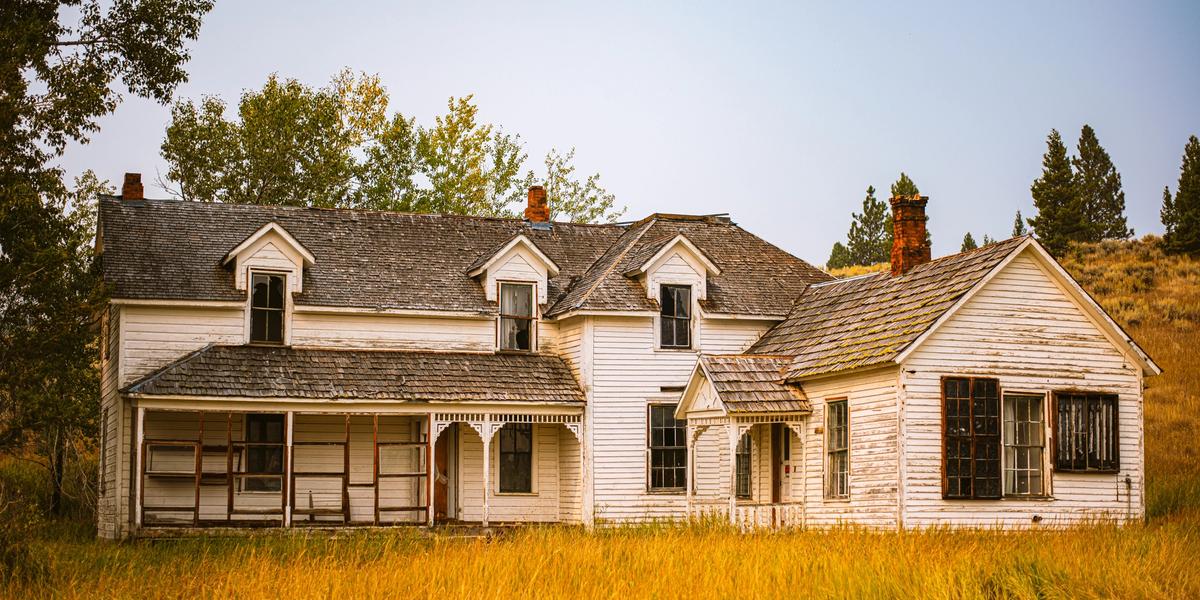
Older homes have character, craftsmanship, and architectural details that newer construction rarely replicates. They also have aging roofs, outdated wiring, older plumbing systems, and construction materials that are no longer standard, all of which create specific insurance considerations that affect both the cost and the scope of coverage available.
The homeowner's insurance market treats older homes differently than newer ones, and the differences are not always in the older home owner's favor. Some insurers decline to write policies on homes beyond a certain age. Others will write coverage but at higher premiums, with more restrictive terms, or without offering the full replacement cost coverage that most homeowners prefer. Understanding these differences helps you navigate the market more effectively and ensures you have coverage that is genuinely protective rather than merely technically in force.
This guide explains the specific insurance considerations for older homes, how different policy features apply differently to older construction, what updates can improve insurability and reduce premiums, and how to find the right insurer for a home that more selective companies might decline.
How Age Affects Insurability and Pricing
Insurance companies assess risk based on the likelihood and potential cost of claims, and older homes present specific risk factors that affect both dimensions. Aging roofs are the most significant: a roof beyond its expected service life is more likely to fail in a storm and more likely to leak, generating claims that insurers pay frequently. Some insurers will not write policies on homes with roofs more than 20 to 25 years old, or will offer only actual cash value rather than replacement cost coverage for the roof.
Older electrical systems present fire risk that standard modern wiring does not. Knob-and-tube wiring from the early twentieth century and aluminum wiring from the 1960s and 1970s are viewed as elevated fire risks by insurers. Some companies specifically decline homes with these systems; others will write coverage with specific exclusions or conditions related to the electrical system. Updating old wiring is expensive but can dramatically improve both safety and insurability.
Original cast iron or lead pipes, common in older homes, create both replacement cost and health concerns that affect insurance. Galvanized steel pipes are also common in older homes and are prone to corrosion and reduced flow as they age. Insurers increasingly require plumbing upgrades or apply surcharges for older plumbing systems that are considered higher risk for water damage claims.
| Older Home Feature | Insurance Impact | What Helps |
|---|---|---|
| Roof over 20 years old | May be declined or limited to ACV | Replace roof; provide inspection report |
| Knob-and-tube wiring | May be declined or excluded | Update to modern wiring; certification |
| Aluminum wiring | May be declined or surcharge applied | COPALUM crimp repair; update to copper |
| Galvanized or lead pipes | Surcharge; may require update | Replumb with copper or PEX |
| Oil heat | Surcharge; some declines | Convert to gas or electric; tank inspection |
| Older HVAC systems | Surcharge for age | Service records; age documentation |
Replacement Cost vs Actual Cash Value for Older Homes
The distinction between replacement cost and actual cash value coverage matters more for older homes than for any other property type. Replacement cost pays to repair or rebuild the structure using current materials and labor costs without deducting for depreciation. Actual cash value pays the replacement cost minus depreciation, which for a 50-year-old roof can mean the insurer pays very little of the actual repair cost.
Insurers sometimes offer only actual cash value coverage for older homes or for specific components of older homes, particularly roofs. A homeowner who believes they have full replacement cost coverage may discover at claims time that the roof is subject to an ACV provision because it was beyond its actuarial expected service life at the time of the loss. Understanding which components of your home are subject to ACV rather than replacement cost treatment is essential to knowing your actual coverage.
Functional replacement cost is a middle-ground option offered by some insurers for very old homes: it covers the cost of replacing with modern materials that are functionally equivalent rather than replicating original materials exactly. For a 100-year-old home with plaster walls, functional replacement cost might cover the cost of drywall rather than original plaster. This is a significant coverage limitation for homeowners who value historical accuracy in their renovation.
Ordinance or Law Coverage: Critical for Older Homes
Ordinance or law coverage addresses one of the most significant insurance gaps for owners of older homes. When a significant portion of an older home is damaged or destroyed, local building codes typically require that the rebuilt structure meet current standards, which may be substantially different from the standards applicable when the home was built. The cost of upgrading to current code is not covered by standard homeowner's insurance without an ordinance or law endorsement.
For a home built in 1920, bringing a partially destroyed structure up to current electrical, plumbing, structural, and energy codes could cost tens of thousands of dollars beyond the cost of simply repairing the damage. Without ordinance or law coverage, this additional cost is the homeowner's responsibility despite having what they believed was full replacement cost coverage.
Ordinance or law coverage is typically available as an endorsement for an additional premium, and the coverage limit is set as a percentage of the dwelling coverage, commonly 10 to 50 percent of the dwelling limit. For older homes subject to significant potential code upgrade requirements, carrying the higher coverage percentage is worth the modest additional premium.
Finding the Right Insurer for an Older Home
The standard market of large national insurers may not be the right fit for older homes with specific risk characteristics. Specialty insurers who specifically write policies for older, historic, and high-value homes are available and often provide more appropriate coverage terms than standard insurers who write older home coverage reluctantly and with many restrictions.
Companies like Chubb, AIG Private Client, and Cincinnati Insurance specifically market to owners of distinctive older homes and high-value properties. These insurers typically offer agreed value coverage for the home, scheduled coverage for architectural features and historic materials, and claims handling that emphasizes restoration and preservation rather than functional equivalent replacement.
Working with an independent insurance agent or broker who has experience placing older home coverage is the most efficient path to finding appropriate coverage. They have relationships with the specialty carriers who serve this market and understand the specific underwriting requirements and coverage terms that matter for older homes.
Final Thoughts
Older homes require more insurance attention than newer ones, but they are insurable, sometimes at very competitive rates when their risk characteristics are properly managed and their coverage needs are properly addressed. The challenges are real: aging systems, non-standard construction, and code upgrade requirements all create specific coverage considerations that standard homeowner's policies may not address adequately.
The solutions are also real: updating high-risk systems, finding insurers who specialize in older homes, adding ordinance or law coverage, and working with agents who understand the specific market improve both the coverage available and the premium paid. The investment in getting coverage right for an older home pays dividends in the form of genuine protection when a claim occurs.
Know your home's systems, know your policy's specific terms for older components, and engage with your coverage decisions as actively as you engaged with the decision to own an older home.
Frequently Asked Questions
Clarion Editorial Team
Editorial Research Team
Clarion Editorial Team creates plain-English educational content covering legal, insurance and finance topics for US and UK readers.
- Editorial Research
- Consumer Education
- Financial Literacy
Related Guides

Condo Insurance: What Your HOA Covers and What You Need

Does Home Insurance Cover Flooding?

Dog Bites and Home Insurance Liability Coverage
