How to Invest During a Market Crash Without Panicking
Market crashes are terrifying in real time and create an almost irresistible urge to sell and stop the pain. The investors who build long-term wealth are those who resist this urge, understand what crashes actually mean for long-term returns, and sometimes even invest more aggressively during them.
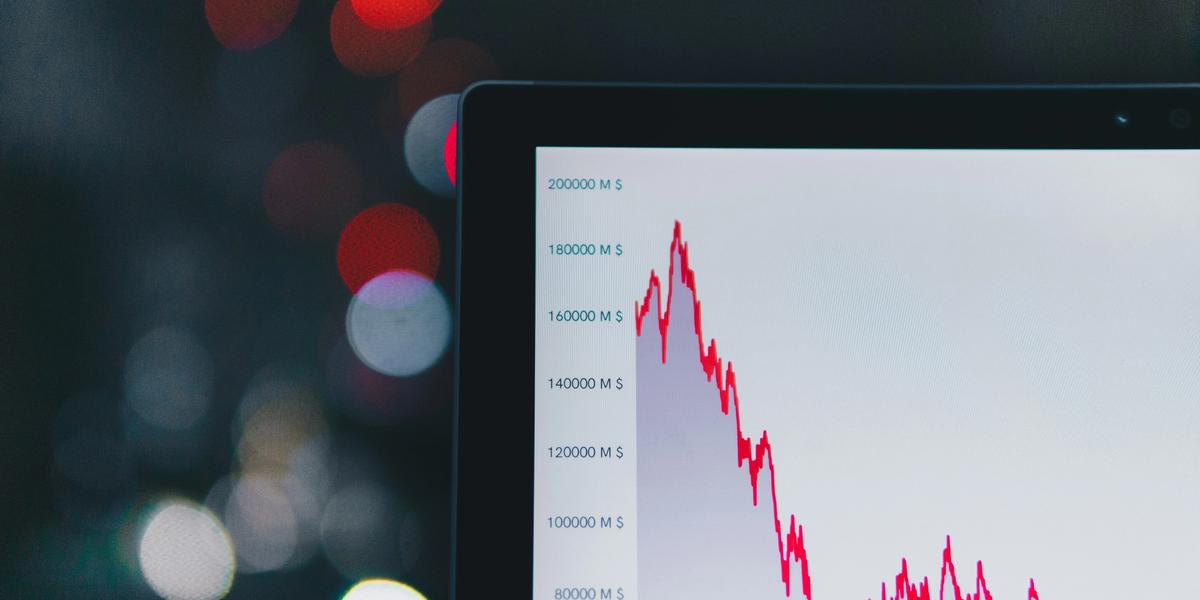
Every significant market crash in history has felt, in the moment, like it might be the one that does not recover. The financial crisis of 2008 felt different from all previous crises because the global banking system appeared at genuine risk of collapse. The March 2020 COVID crash produced the fastest 30 percent decline in market history. In both cases, and in every crash before them, markets recovered and ultimately reached new highs.
The investors who did not sell during these crashes, who continued making regular contributions, and who perhaps even increased their investments when prices were lowest produced exceptional long-term returns precisely because of the downturn. The investors who sold at or near the bottom locked in permanent losses and missed the recovery.
This guide explains what is actually happening during market crashes, why the instinct to sell is counterproductive, and the specific strategies that allow you to invest through crashes rather than fleeing from them.
Understanding What a Market Crash Actually Means
A market crash is a rapid decline in stock prices, typically defined as a drop of 20 percent or more from recent highs (a bear market) or 10 percent (a correction). These events feel catastrophic because they are rapid and disorienting, but in historical context they are regular occurrences that have always been temporary.
Since 1900, the S&P 500 has experienced more than 30 bear markets with declines of 20 percent or more. Every single one has eventually been followed by a recovery to new highs. The average recovery time from bear market trough to new all-time highs varies, but long-term investors with time horizons of 10 or more years have historically been made whole.
What changes during a crash is prices, not underlying value. If you owned shares of Apple, Microsoft, or an S&P 500 index fund before a crash, you still own the same proportional interest in those companies after the crash. What the market is telling you is that today's price for that interest has declined, not that the companies have been destroyed. For long-term investors, lower prices on quality assets are an opportunity, not a disaster.
| Major Market Decline | Decline Magnitude | Recovery Period | Total Return 5 Years After Trough |
|---|---|---|---|
| 1987 Black Monday | 34% | 2 years | 105% |
| 2000-2002 Dot-com | 49% | 7 years | 60% |
| 2008-2009 Financial Crisis | 57% | 4 years | 178% |
| 2020 COVID Crash | 34% | 5 months | 120% |
| 2022 Bear Market | 25% | Ongoing at time of this writing | N/A |
Why You Should Never Sell During a Crash
Selling during a crash converts what would have been a temporary paper loss into a permanent real loss. If you owned an index fund worth $100,000 that declined to $65,000 during a crash and you sell, you have $65,000. If you held and the market recovered to $130,000 over the next three years, you would have had $130,000. The difference between holding and selling is not $35,000; it is $65,000 including the recovery gains you missed.
The market cannot be timed reliably. The investors who sell during crashes expecting to buy back at a lower price face the problem that no one consistently identifies the market bottom in advance. Markets frequently experience their largest single-day gains in the days immediately following the most dramatic declines. Missing just a handful of the best days in the market over a decade dramatically reduces long-term returns.
A DALBAR study that tracks actual investor returns versus market returns consistently finds that average investors underperform the market they invest in by 3 to 4 percentage points annually. The gap is almost entirely explained by behavioral mistakes: buying after markets have risen, selling after they have fallen, and returning to the market after the recovery is already well underway.
What to Actually Do During a Market Crash
Continue your regular investment contributions without modification. If you contribute $1,000 per month to your retirement account, continue contributing $1,000 per month during the crash. You are buying the same assets you would have bought anyway, just at lower prices. Those shares will eventually be worth more than you paid for them.
Rebalance your portfolio if the crash has caused your stock allocation to drift significantly below your target. If your target is 70 percent stocks and a crash has pushed you to 55 percent stocks, rebalancing means selling some bonds and buying stocks at the lower prices. This is the mechanical version of buying low and selling high.
If you have access to additional cash beyond your regular contributions, deploying some of it into the market during a crash is a rational use of funds you were going to invest eventually anyway. Buying the same assets at 30 to 40 percent lower prices with money you were going to invest in the next year or two is one of the rare situations where market conditions clearly favor accelerating your timeline.
Building Psychological Resilience Before the Next Crash
The best preparation for the next market crash is done before it happens. Understanding your actual risk tolerance and setting your asset allocation accordingly is the most important pre-crash preparation. If a 30 percent decline in your portfolio would cause you genuine financial hardship or provoke an irresistible urge to sell, your portfolio may be too aggressively invested for your actual situation.
Having a written investment policy statement, a document that specifies your target allocation, your rebalancing triggers, and your commitment to maintaining contributions through market volatility, gives you something to refer to when emotions are running high. The decisions made during calm periods are almost always better than those made during panic.
Avoiding financial news during market downturns is underrated advice. The coverage of market crashes is designed to create engagement through fear, and the constant stream of expert predictions about how much lower markets might fall adds uncertainty without providing actionable guidance. The most productive response to a market crash is the most boring one: do nothing different and stay the course.
Final Thoughts
Market crashes are the price of admission for the superior long-term returns that stock market investing provides. They cannot be avoided if you are a stock market investor, and they should not be avoided through panic-selling, which consistently produces worse outcomes than staying the course.
The investors who build wealth through market cycles are not those who avoid crashes; they are those who understand that crashes are temporary price dislocations in an otherwise upward-trending market, maintain their regular investment contributions, and sometimes even take advantage of lower prices by investing additional funds.
Your most important investment tool during a market crash is not a strategy or a fund; it is discipline. Maintain the plan.
Frequently Asked Questions
Clarion Editorial Team
Editorial Research Team
Clarion Editorial Team creates plain-English educational content covering legal, insurance and finance topics for US and UK readers.
- Editorial Research
- Consumer Education
- Financial Literacy
Related Guides

Asset Allocation: How to Diversify Your Portfolio

Best ETFs to Buy for Long-Term Growth

Bond Investing: What Bonds Are and How to Use Them
